

Hair loss from alopecia or cancer treatment is hard. You feel exposed. You feel different. Medical wigs exist to help, but not all wigs work for sensitive scalps or complete hair loss.
Medical wigs1 use silicone grip strips instead of clips to stay secure without damaging fragile skin. They are hand-knotted with 100% human hair on breathable bases that won't irritate chemotherapy patients2 or women with total alopecia. At WigDance, we manufacture these specialized wigs with medical-grade materials and hand-weaving techniques that take 4~5 weeks per unit.
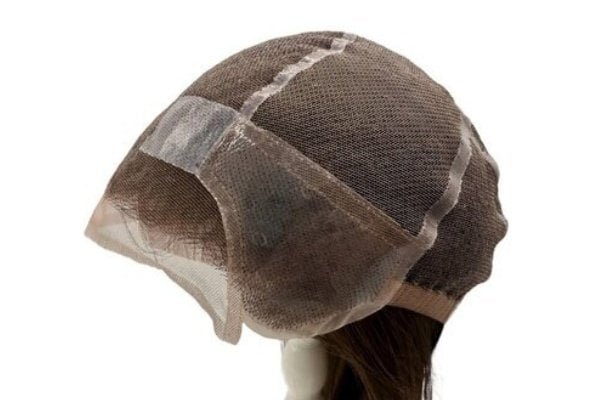
I started working with medical wig production after a client asked me why her cancer patients kept complaining about regular wigs. The clips hurt. The caps felt heavy. The hairline looked fake. That conversation changed how I think about wig manufacturing.
Why Do Medical Wigs Use Silicone Instead of Clips?
Clips sound simple. They hold wigs in place. But they create problems for women with alopecia or undergoing chemotherapy.
Medical wigs replace metal clips with thin silicone grip strips along the perimeter. Silicone holds the wig securely against bare scalp without pulling, pinching, or causing pressure points. This matters because chemotherapy makes skin ultra-sensitive, and alopecia patients often have zero hair for clips to grab onto.
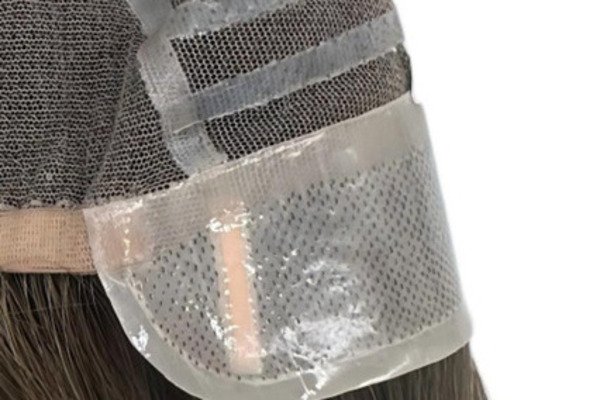
Clips need hair to anchor to. When you have complete hair loss, clips slide around or dig into your scalp trying to find grip. I have seen photos of red marks and irritation from clients who tried regular wigs during treatment. Silicone solves this by creating friction against skin without any mechanical pressure.
The silicone used on medical wigs that has been used in the wig industry for years. Thickness matters too. If silicone is too thick, the wig feels bulky and hot. If it is too thin, it will not hold. We aim for 2-3mm thickness. This gives enough grip for all-day wear while keeping the base lightweight.
Application takes time. Workers apply silicone by hand along the edge of the cap. It needs to cure for at least 7-10 days before we can continue production. You cannot rush this. If silicone is not fully set, it will feel tacky or lose its grip after a few wears. This curing period is one reason medical wigs cost more and take longer to produce.
| Feature | Regular Wig Clips | Medical Silicone Strips |
|---|---|---|
| Attachment Method | Metal clips grip hair | Silicone grips skin |
| Hair Required | Yes, needs at least some hair | No, works on bare scalp |
| Comfort Level | Can pinch or pull | Gentle, no pressure points |
| Skin Sensitivity | May irritate | Hypoallergenic |
| Longevity | Clips can break | Silicone lasts 6-12 months or longer time |
How Are Medical Wigs Constructed Differently from Regular Wigs?
Construction defines comfort. A regular wig might look fine but feel terrible if you have a sensitive scalp or no hair at all.
Medical wigs are fully hand-knotted on ultra-thin lace or silk bases with maximum ventilation3. Every single hair is tied by hand to create a lightweight, breathable cap that will not trap heat or moisture against a bare scalp. This hand-knotting process takes weeks per wig, which is why medical wigs have longer lead times and higher costs.
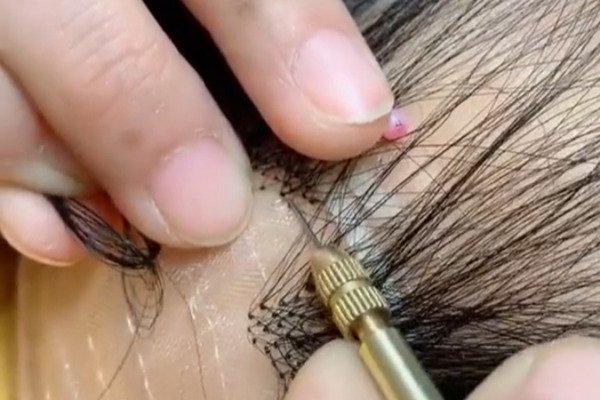
We use two base types for medical wigs: full lace and silk top. Full lace means the entire cap is made of sheer lace material. Air flows through easily. Your scalp can breathe. Silk top wigs have a layer of silk fabric at the crown where hair appears to grow directly from your scalp. Both options work for medical use, but full lace tends to be lighter.
Hand-knotting is not optional for medical wigs. Machine-wefted hair creates thick rows that you can feel against your head. When you have no hair as cushioning, those wefts rub and irritate. Hand-knotted hair lies flat. Each strand is individually secured. The result feels like nothing on your head.
I have worked with experienced knotters for years. A skilled worker can tie about 150-200 knots per hour. A full medical wig needs 30,000-40,000 knots depending on density. You can do the math. It takes days of labor just for the knotting phase. Then we add silicone. Then we cure it. Then we style it. A single medical wig can take 4-5 weeks from start to finish.
Hair quality matters more in medical wigs. We only use 100% virgin human hair from ethical sources. We sort hair by texture to match fine or medium hair types. Fine hair clients need thinner strands so the wig does not look too thick. Medium hair clients can handle slightly fuller density. This customization adds time but makes the final product look natural.
Ventilation is critical. We reduce knot density at the perimeter and increase airflow channels through the cap design. Heat buildup is a real problem for chemo patients. Their body temperature regulation is already off. A heavy, non-breathable wig makes them feel worse. Our caps weigh 30-40% less than standard wigs because we prioritize airflow over maximum hair volume.
| Construction Element | Standard Wig | Medical Wig |
|---|---|---|
| Knotting Method | Machine wefts + some hand-tied | 100% hand-knotted |
| Base Material | Thicker lace, less breathable | Ultra-thin lace or silk |
| Weight | 140-200g average | 90-160g average |
| Ventilation | Moderate airflow | Maximum breathability |
| Production Time | 1-2 weeks | 4-5 weeks |
| Hair Quality | Mixed grades | 100% virgin human hair |
What Hair Types Work Best for Medical Wigs?
Not all human hair works the same. The hair on a medical wig needs to be soft, tangle-free, and able to withstand daily wear without shedding.
Medical wigs use 100% virgin human hair that has never been chemically processed. We source hair ethically and sort it into fine or medium textures to match the client's original hair type. Fine hair creates a more delicate, natural look for women with naturally thin hair, while medium hair provides slightly more volume for those who had thicker hair before loss.
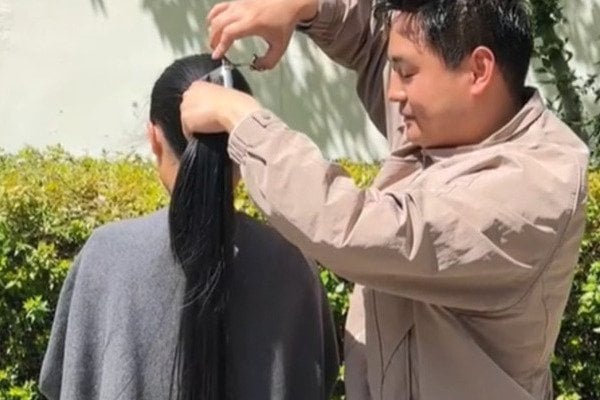
Virgin hair means the cuticles are intact and aligned in one direction. This prevents tangling. When cuticles point different ways, hair mats up. Medical wig users do not have the energy to fight tangles every day. They need hair that stays smooth with minimal effort.
We get hair from donors who have long, healthy hair and are willing to sell it. Ethical sourcing is not just a buzzword for us. We know where our hair comes from. We pay fair prices. This traceability ensures quality. If hair is collected from random sources or temple donations mixed together, you get inconsistent texture and durability.
Color matching is part of the process. We can dye virgin hair to any shade, but we prefer to source hair close to the target color. Less processing means softer hair. We avoid harsh bleaching that weakens strands.
Durability is essential. A medical wig might be worn every single day for months. The hair has to withstand washing, brushing, and styling without falling apart. Virgin hair lasts 1-2 years with proper care. Synthetic or low-grade human hair starts looking rough after a few weeks. For someone going through cancer treatment or living with permanent alopecia, that difference matters.
| Hair Type | Characteristics | Best For | Lifespan |
|---|---|---|---|
| Virgin Fine Hair | Soft, lightweight, natural movement | Women with naturally thin hair | 12-18 months |
| Virgin Medium Hair | Slightly thicker, holds style well | Women with normal to thick hair | 12-18 months |
| Processed Hair | Chemically treated, less durable | Budget wigs, short-term use | 3-6 months |
| Synthetic | Artificial fiber, no styling | Not recommended for medical use | 2-4 months |
How Long Does It Take to Make a Medical Wig?
Speed and quality do not go together in medical wig production. Every shortcut shows up in the final product.
A single medical wig takes 4-5 weeks to produce from start to finish. Hand-knotting alone requires 2-3 weeks. Applying and curing the silicone grip strips adds another 7-10 days. Rushing any step results in a wig that sheds, loses grip, or feels uncomfortable, which is unacceptable for medical clients who depend on their wig daily.

Custom orders add time. If a client needs a specific hair color blend, unusual cap size, or extra features like a monofilament top, production can stretch to 5-6 weeks. We do not rush medical wigs. The client is already going through enough. They do not need a subpar wig on top of everything else.
Why Do Medical Wigs Cost More Than Regular Wigs?
Price reflects labor and materials. Medical wigs1 are expensive because they require more of both.
Medical wigs cost 5-10 times more than regular wigs due to 100% hand-knotting labor, medical-grade silicone application, virgin human hair sourcing, and extended production time. A standard wig might take 1-2 weeks and use machine wefts. A medical wig takes 4-5 weeks and involves skilled artisans hand-tying 30,000+ knots per unit.

Labor is the biggest cost. Hand-knotting is slow work. We pay experienced workers fair wages. A skilled knotter can earn more than a machine operator, but they produce far fewer units. Fewer units mean higher per-unit costs.
Silicone adds material and time costs. Medical-grade silicone is more expensive than standard wig adhesives. Application is manual and precise. Workers need training to apply it evenly without creating lumps or gaps. The 7-10 day curing period means wigs sit in inventory longer before they can be finished and shipped. Inventory holding costs money.
Virgin human hair costs 3-5 times more than processed or synthetic hair. We source from verified suppliers who can trace their hair origins. This traceability has a premium. But it guarantees quality. Cheap hair might look okay at first, but it tangles and sheds within weeks. Medical wig clients cannot afford that. They need reliability.
Quality control is stricter for medical wigs. We inspect every inch of every wig. Regular wigs might get a spot check. Medical wigs get full inspections at multiple stages. We check knot security, hair alignment, silicone adhesion, and overall construction. Rejected units get reworked or scrapped. This reduces our yield and increases costs.
The result is a wig that costs more upfront but delivers better value over time. A $200 regular wig might last 2-4 months and feel uncomfortable the whole time. A $1,000-2,000 medical wig lasts 12-18 months and feels invisible. For someone wearing a wig daily through cancer treatment or living with alopecia, that comfort and durability is worth the investment.
Conclusion
Medical wigs are not just fashion accessories. They are daily necessities for women facing alopecia or cancer. Silicone grips, hand-knotted bases, virgin hair, and extended production time all serve one purpose: comfort and confidence when you need it most.