

You wake up each morning and notice more scalp showing through your hair. The mirror reflects what you hoped you wouldn't see. Your confidence drops with each passing day.
Hair toppers for thinning hair are partial coverage pieces that blend with your existing hair to create volume and cover thin spots. They attach securely to your natural hair without the full commitment of a wig, offering targeted coverage1 exactly where you need it most.
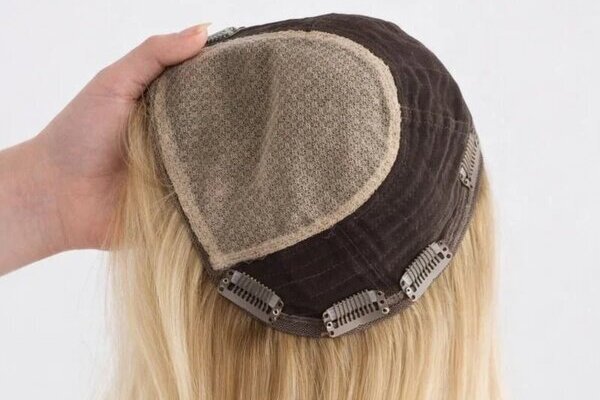
I've been manufacturing hair toppers for over a decade, and I've seen how the right piece can transform someone's entire outlook on life. But choosing the wrong density or style can leave you looking unnatural or feeling uncomfortable.
What Makes Hair Toppers Different From Regular Wigs?
Your hair loss pattern is unique. You don't need full head coverage like a wig provides. You need something more targeted and natural-looking.
Hair toppers cover only the crown and top areas where thinning occurs most commonly. They integrate seamlessly with your existing hair while wigs replace all your natural hair, making toppers less noticeable and more comfortable for daily wear.
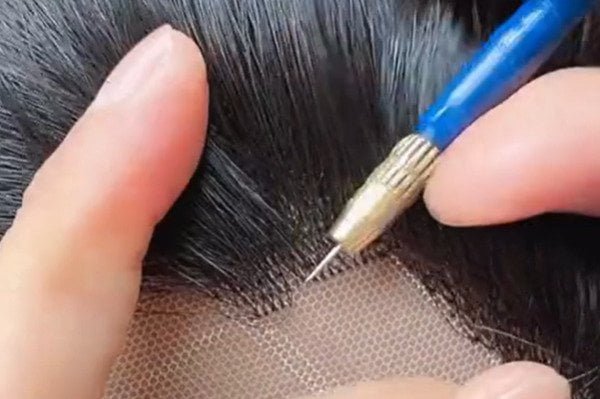
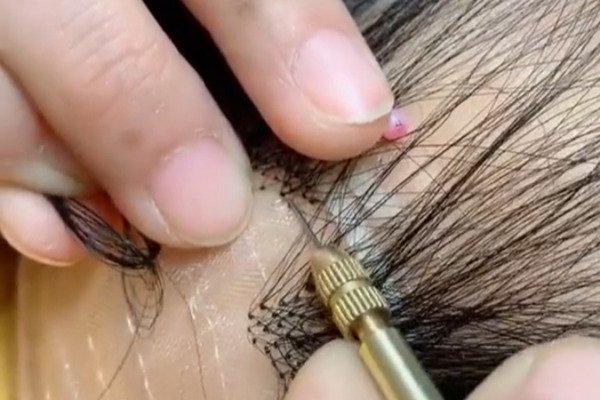
The construction of hair toppers involves two main components. The top section features hand-tied hair that creates the most natural scalp appearance. This hand-tied area sits directly over your thinning spots and mimics real hair growth patterns.
The perimeter uses machine-made wefts that blend with your natural hair. This combination keeps costs reasonable while maintaining quality where it matters most. The hand-tied crown gives you natural movement and realistic parting options.
I once had a client ask me about density impacts on manufacturing costs. She wanted to understand how different hair densities would affect her product line. The truth is that varying densities significantly increases production complexity and costs.
| Density Level | Coverage Type | Best For | Production Cost |
|---|---|---|---|
| 120-130% | Light coverage | Mild thinning | Standard |
| 140-150% | Medium coverage | Moderate thinning | 15% higher |
| 160-180% | Full coverage | Severe thinning | 30% higher |
For businesses, I recommend choosing one density that serves the majority of your target customers. Producing multiple densities for the same style creates inventory challenges and increases error rates during manufacturing.
How Do You Choose The Right Density For Your Customers?
Your customer base determines everything about your product specifications. You need to understand their specific hair loss patterns before making density decisions.
The ideal hair topper density matches your customers' natural hair thickness while providing enough coverage to conceal thinning areas. Most customers with mild to moderate thinning need 130-150% density for natural-looking results.
I learned this lesson when working with a brand that wanted to serve everyone with one product. They initially requested three different densities for the same topper style. The production became a nightmare.
Different densities require separate manufacturing setups. Workers need different amounts of hair prepared for each density level. Quality control becomes more complex because each density has different appearance standards.
The storage and inventory management costs multiply when you have multiple density options. Shipping errors increase because workers must pick the correct density for each order. Customer service complexity grows when customers need to understand density differences.
I advised that client to research their target market thoroughly. They needed to identify whether their customers had mild thinning or more severe hair loss. This research would guide their density choice.
For customers with severe thinning who avoid full wigs, higher density toppers work better. The extra fullness prevents scalp show-through and provides confidence. For customers with mild thinning, lower density maintains a natural appearance without looking obviously augmented.
The sweet spot for most brands is 140% density. This level works for customers with mild to moderate thinning while staying cost-effective for production. It provides enough coverage without looking unnatural on customers with some remaining hair.
How Do You Ensure Long-Term Satisfaction With Hair Toppers?
Customer satisfaction depends on realistic expectations and proper education about topper care and limitations.
Long-term satisfaction requires matching the topper's capabilities with customer needs, providing clear care instructions, and setting realistic expectations about lifespan and maintenance requirements from the beginning.

Many customers expect toppers to perform exactly like their natural hair. This expectation leads to disappointment when the piece requires special care or has styling limitations. Clear communication prevents these issues.
Human hair toppers can be heat styled and colored, but they don't regenerate like natural hair. Over-processing damages the hair permanently. Customers need to understand that gentle care extends the topper's lifespan significantly.
The attachment points require regular inspection and maintenance. Clips can loosen over time, affecting security and comfort. Lace areas may develop small tears that need professional repair. Regular maintenance appointments help catch issues early.
I've seen customers achieve 18-month lifespans with proper care routines. They wash the topper weekly with sulfate-free products. They use heat protectants before styling and store the piece on a mannequin head when not wearing it.
Color matching remains crucial for long-term satisfaction. Natural hair color changes seasonally and with age. Customers may need color adjustments to maintain seamless blending as their natural hair evolves.
The psychological impact of hair toppers extends beyond appearance. Customers report increased confidence in social and professional situations. They feel comfortable in windy weather and during physical activities. These emotional benefits often outweigh minor inconveniences.
Quality construction directly impacts satisfaction levels. Hand-tied tops last longer and look more natural than machine-made alternatives. Ethical hair sourcing ensures consistent texture and color retention. These factors justify premium pricing for discerning customers.
Conclusion
Hair toppers for thinning hair offer targeted coverage1 without the commitment of full wigs, but success depends on choosing appropriate density and construction for your specific customer base.
Learn how hair toppers offer precise coverage for thinning areas without the need for full wigs. ↩