

A wig can look beautiful from the front. But what happens when your customer tucks the hair behind her ear?
This is where many small design details start to matter.
In my experience working with human hair wigs, I have found that most brands focus first on the obvious elements:
- HD lace
- Natural hairline
- Bleached knots
- Hair quality
- Density
And they should. These are the foundation of a natural-looking wig.
However, when a customer expects a premium wig experience, the difference is often hidden in the details that are not immediately noticed — including temple coverage.
Temple coverage is not the first thing people see. But it often determines whether a wig looks natural from every angle.

What Is Temple Coverage in a Human Hair Wig?
Temple coverage refers to how well the wig design covers and blends with the area around the temples, especially near the sideburn area.
It involves more than simply adding more lace or more hair.
A well-designed temple area requires a balance between:
| Design Element | Why It Matters |
|---|---|
| Lace extension | Provides enough coverage while keeping the lace flat |
| Hair ventilation direction | Creates a more natural growth pattern |
| Density control | Avoids both an empty and bulky appearance |
| Sideburn design | Helps the wig blend naturally around the ears |
The goal is not maximum coverage.
The goal is natural integration.
Why Temple Coverage Matters for Premium Wig Design
1. It Helps Blend the Wig With the Client's Natural Hair
For many wig wearers, especially those who still have their own hair, the temple area can become a transition point between natural hair and the wig.
If the coverage is too limited:
- More of the client's own hair may be exposed
- Different hair colors can create visible contrast
- The connection between natural hair and wig may look less seamless
This becomes especially important when the client's natural hair color is very different from the wig color.
For example, a blonde wig worn by someone with darker natural hair may require more thoughtful temple coverage to create a smoother transition.
2. Temple Coverage Becomes More Important During Styling
One thing I often remind wig brands is:
Do not evaluate a wig only from the front.
Most customers will not wear their hair in exactly the same position every day.
They may:
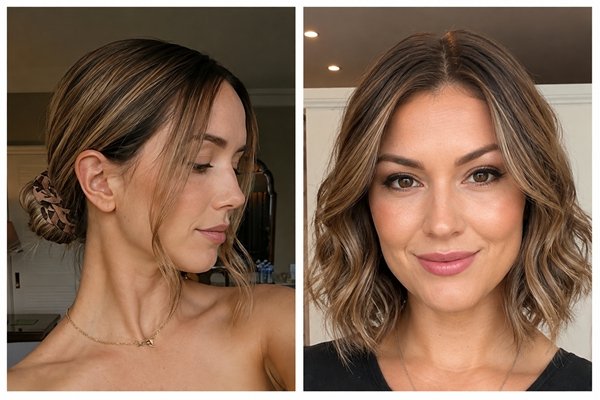
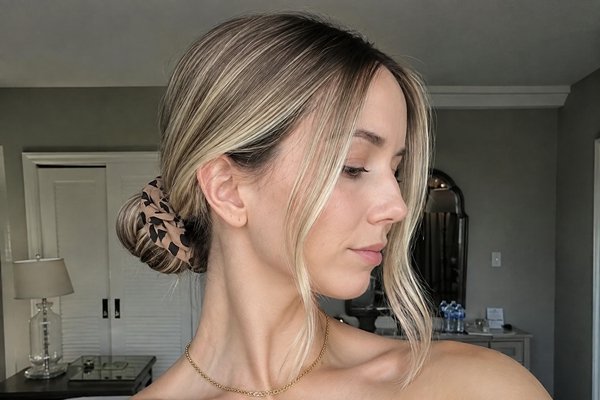
- Tuck hair behind the ear
- Create an open-face hairstyle
- Wear a ponytail or updo
These moments expose the temple area.
A wig that looks perfect in a front photo may show limitations when viewed from the side.
Temple Coverage Is Different for Different Customers
Not every customer needs the same temple design.
Luxury Wig Brands
Luxury brands usually pay more attention to temple coverage because their customers expect:
- Natural appearance from multiple angles
- Premium details
- Confidence in different hairstyles
For these customers, small design improvements can influence the overall product perception.
Everyday Wig Users
For everyday wearers, comfort and practicality are important.
However, because they wear wigs frequently, they also notice whether the wig feels natural during normal activities, such as changing hairstyles or placing hair behind the ear.
Medical Wig Clients
Medical wig customers require a different consideration.
For clients with complete hair loss, temple coverage is less about hiding their own hair and more about recreating a realistic scalp and side profile.
For clients who still have some natural hair, blending and coverage become more important.
More Temple Coverage Does Not Always Mean Better
One common misunderstanding is:
More coverage always creates a more natural wig.
In reality, balance is more important.
If the temple lace area becomes too large:
- The lace may not lay flat near the ear
- The edge may lift more easily
- The overall appearance may become less natural
Unlike the forehead area, the temple area has more movement and less natural support.
Therefore, a good temple design requires the right balance between:
- Coverage
- Flatness
- Comfort
- Natural movement
How We Evaluate Temple Coverage When Developing a Wig
When developing a high-end wig collection, I recommend brands and salons evaluate the temple area from different angles.
| Test Method | What To Check |
|---|---|
| Side view | Does the temple area look natural? |
| Hair tucked behind ear | Does the transition remain seamless? |
| Ponytail or updo style | Is the side profile still believable? |
A wig should not only look good in product photos.
It should perform in real life.
The Difference Between a Regular Wig and a Premium Wig Is Often in the Details
After years of working with human hair wigs, I believe premium wig development is not about adding more features.
It is about making better decisions in small areas:
- The right lace design
- Proper density
- Natural hair direction
- Balanced temple coverage
Temple coverage may not be the first thing customers mention.
But when they change hairstyles, look from the side, or wear the wig confidently in daily life, these details become the difference between a normal wig and a truly premium experience.

Developing a Private Label Human Hair Wig Collection?
A successful wig collection is built on hundreds of small design decisions.
If you are developing premium human hair wigs for your brand or salon, we are happy to share our experience from product development, cap construction, and hair quality evaluation.