

Lace Top Wig vs Full Lace Wig: Which Construction Is Right for Your Brand?
Are you struggling to decide between offering lace top wigs or full lace wigs to your high-end clientele? Many boutique owners and salon buyers believe that ordering the most expensive construction automatically means they are getting the best product for their business. In my years of manufacturing premium human hair pieces for top-tier brands in Europe and the US, I have seen many clients make costly ordering mistakes simply because they did not understand how these two cap constructions perform in the real world.
To choose between a lace top wig vs full lace wig, you must balance styling versatility against your target budget. A lace top wig offers a realistic hairline and scalp with machine-wefted backs for durability and cost-efficiency, while a full lace wig features a fully hand-tied cap that allows for unlimited parting and high updos at a premium price point.
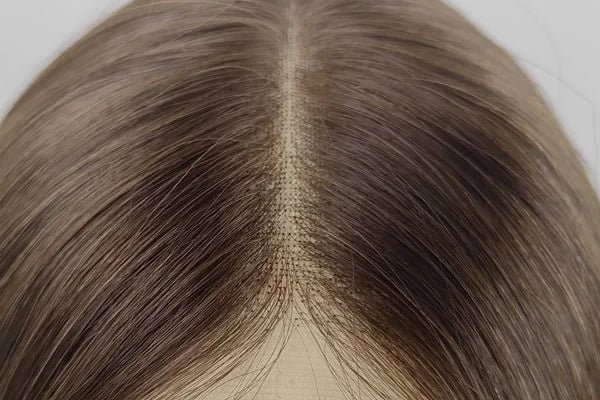
Understanding these differences is not just about hair aesthetics; it directly impacts your brand's profit margins and customer satisfaction rates. Let us dive deep into the technical realities of both constructions so you can make an informed inventory decision that elevates your brand.
Why Do Many Buyers Initially Demand a Full Lace Wig?
Are you assuming that a full lace wig is always the superior choice for your luxury hair brand? Many salon owners and distributors come to me during their first product development phase and insist on ordering only full lace systems.
Buyers assume full lace wigs represent the absolute peak of luxury because they are fully hand-tied and highly publicized by celebrities. This perception leads brand owners to believe that any other construction is a compromise on quality, even when another style would better serve their customers' actual daily needs.
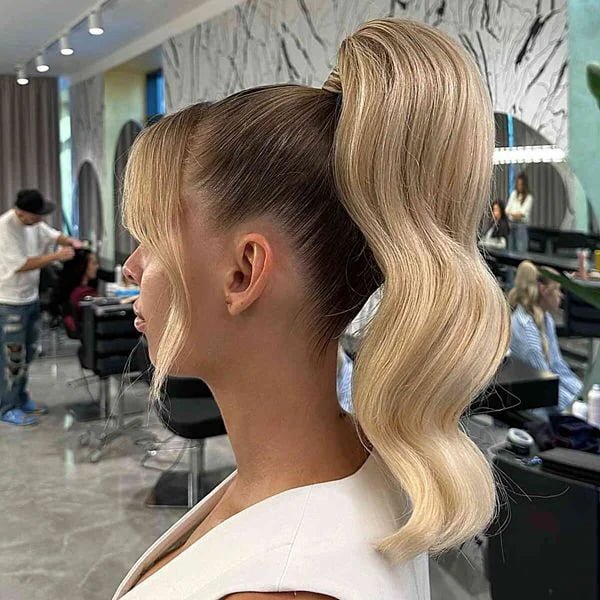
In my experience running a high-end manufacturing facility, there is no absolute "best" cap construction. There is only the construction that perfectly aligns with your brand positioning, your target demographics, your customers' wear habits, and your retail price points. When a new wholesale partner schedules a consultation with me, I always ask them to look past the marketing hype of "full lace" and analyze how their end consumers actually live, style, and care for their hair assets on a daily basis.
What Is a Lace Top Wig?
Are you familiar with the modern engineering behind a premium lace top wig? Many professionals confuse this high-end medical-grade construction with cheap lace frontals sold on the mass market.
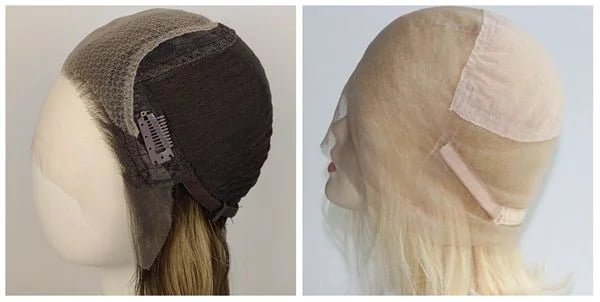
A lace top wig features a hand-tied lace section across the entire crown and hairline to mimic a natural scalp, paired with a premium machine-wefted back for structure. This hybrid design delivers an incredibly realistic top-down appearance and a flat, secure fit while keeping manufacturing costs manageable for luxury brands.
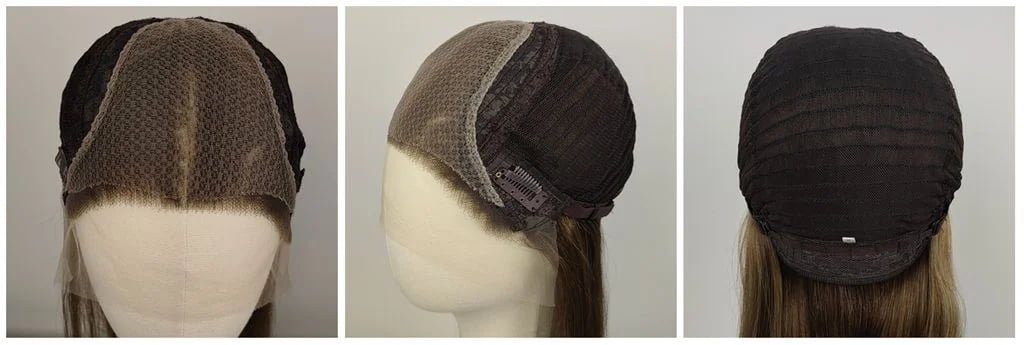
When we craft these units for our medical clinics and boutique brands in Australia and the Middle East, we focus heavily on the transition zone. The hand-tied lace top area allows the wearer to part their hair in any direction within that top area—left, right, or center—revealing a highly convincing simulated scalp.
Behind this lace top section, we transition to ultra-thin, hand-sewn wefts covered by a breathable, soft lining. This design is highly favored by women experiencing alopecia or undergoing chemotherapy. The wefted back provides a snug, reassuring grip on the head without requiring messy glues or tapes, making it exceptionally comfortable for sensitive, bald scalps during daily wear.
What Is a Full Lace Wig?
Are you looking for the ultimate level of styling freedom for your custom wig line? A full lace wig is a masterpiece of manual craftsmanship that offers unparalleled flexibility.
A full lace wig consists of a complete lace base where every single hair strand is hand-tied by skilled artisans across the entire cap. It typically incorporates a small, integrated stretch panel in the center to allow for slight head size variations while maintaining a completely flat, seamless profile.
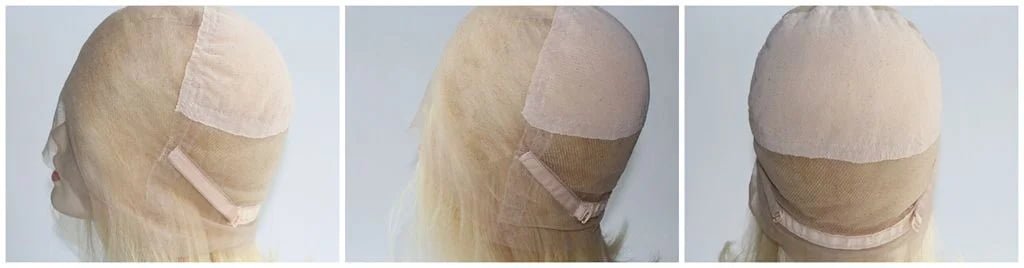
Creating one of these units is incredibly labor-intensive. One of my master ventilating artists spends anywhere from 40 to 60 hours hand-knotting a single full lace unit, depending on the desired hair density. Because the entire base is made of sheer lace, there are no tracks or wefts anywhere on the head.
This means your clients can part their hair from the forehead all the way down to the nape of the neck. It allows for advanced styling options that are impossible with other constructions, such as:
- Deep double braids (Dutch or French style)
- High, sleek ponytails without showing any edges
- Intricate updos for weddings, red carpets, or film sets
- Completely exposed hairlines along the temples and back of the neck
What Are the Real Differences Between These Constructions?
Are you wondering how these structural designs translate to daily wearability and business performance? While both options can look stunning from the front, their functional differences are significant.
The real differences between a lace top wig vs full lace wig lie in their styling boundaries, physical durability, repair requirements, and overall production costs. While both deliver an identical, flawless front hairline, they cater to completely different lifestyles and budget allocations.
Styling Capabilities and Parting Versatility
With a lace top unit, your client can easily achieve deep middle parts, side parts, and casual low ponytails or messy buns. Through advanced manufacturing techniques, we can even optimize the wefting at the back so that high ponytails are achievable with proper styling. However, you cannot part a lace top unit down the middle of the back. A full lace unit, on the other hand, offers 360-degree parting freedom, making it the only choice for complex, high-exposure hairstyles.
Durability, Maintenance, and Lifespan
Because the back of a lace top wig is reinforced with resilient wefts, it is naturally more robust. It holds up exceptionally well to daily washing, brushing, and styling. Full lace wigs are far more delicate. Since the entire cap is made of lace mesh, it is more susceptible to tearing, stretching, and shedding if the wearer brushes too aggressively or uses heavy adhesives daily.
| Feature / Specification | Lace Top Wig | Full Lace Wig |
|---|---|---|
| Parting Area | Limited to the top crown area | 360-degree complete parting |
| Hairline Realism | High (Lace Front & Top) | High (Full Perimeter Lace) |
| Cap Durability | High (Robust wefted back) | Moderate (Delicate full lace) |
| Styling Freedom | Great for down styles & low buns | Unlimited (Updos, braids, high pony) |
| Wholesale Cost | Moderate to High | Very High (Due to manual labor) |
| Best For | Daily wear, medical hair loss, salons | Special events, film, custom premium |
Why Do Many Clients Eventually Switch to Lace Top Wigs?
Let me share a quick story from my own business operations. A few years ago, a prominent salon owner from Beverly Hills approached us. She wanted to launch her own luxury brand and insisted on ordering an initial batch of 50 custom full lace wigs. She was convinced that her high-net-worth clients would accept nothing less.
I advised her to test a mix of 15 full lace units and 35 lace top units instead. She reluctantly agreed to my suggestion.
Three months later, she called me to reorder—but this time, she wanted 100% lace top wigs.
What happened? When her clients came into her salon, they tried on both styles. They realized they rarely, if ever, wore their hair in double braids or high ponytails. They wanted a beautiful, natural parting on top, a realistic hairline, and a secure fit that did not require gluing down the entire perimeter of their head every morning.
Furthermore, her clients found the lace top wigs much easier to put on and style by themselves at home. When they saw that the lace top units were more affordable and actually lasted longer under daily wear, the choice became obvious. This is a common pattern: once brand owners understand the practical needs of their market, they find that lace top units are the most sensible choice for their core inventory.
How to Choose the Right Construction for Your Brand?
Are you ready to decide which construction should dominate your next manufacturing order? Let us look at how you should align these products with your specific brand identity.
To choose the right construction, evaluate your primary customer persona: select lace top wigs for daily wearers, medical clients, and brands seeking high margins, or choose full lace wigs for celebrity stylists, high-end custom orders, and clients demanding total styling freedom.

When to Position Lace Top Wigs in Your Catalog
If your brand serves women with medical hair loss (such as alopecia or hair thinning)1, premium lace top wigs should be your flagship product. These clients need comfort, ease of use, and a realistic scalp appearance without the hassle of gluing lace to their skin daily. This construction is also ideal for premium retail brands that want to offer exceptional, natural-looking human hair wigs at a highly competitive luxury price point.
When to Position Full Lace Wigs in Your Catalog
You should offer full lace wigs if your target market includes celebrity stylists, theater and film productions, or clients who love changing their hairstyles frequently from high ponytails to intricate braided looks. These buyers understand the delicate nature of full lace units and are willing to pay a premium for unlimited styling freedom.
Our Recommendation for High-End Hair Brands
As a dedicated manufacturer, my goal is never to upsell you on the most expensive product. My goal is to help you build a highly profitable, sustainable brand with low return rates and raving customer reviews.
For 85% of high-end human hair brands catering to the everyday luxury market, lace top wigs are the most balanced, practical, and profitable investment you can make. They deliver the gorgeous, natural look your clients crave while offering excellent durability and better profit margins for your business. Reserve full lace wigs for your high-end custom styling service or niche clientele who specifically demand complete updos.
Are you looking to upgrade your brand's hair quality with premium, ethically sourced human hair? Contact our team today to request a sample kit of our master-crafted lace top and full lace designs.
Frequently Asked Questions
Which wig construction lasts longer?
Lace top wigs generally last longer than full lace wigs. The machine-wefted back of a lace top wig provides structural durability that resists wear and tear from washing, brushing, and daily handling. Full lace wigs are completely hand-tied on delicate lace mesh, making them more prone to shedding and tearing over time if not handled with extreme care.
Can you wear a lace top wig in a ponytail?
Yes, you can easily wear a lace top wig in a low ponytail, a side braid, or a low, elegant bun. Our factory optimizes the wefting at the back of our lace top units so that the hair naturally falls in a way that hides the cap edges, allowing for highly natural-looking low-updos.
Do full lace wigs require adhesive or glue?
Typically, yes. Because full lace wigs have lace around the entire perimeter, including the ears and the nape of the neck, they usually require glue, tape, or strong grip bands to sit completely flat and secure. Without adhesive, the lace at the back of the neck can lift when the wearer moves their head or styles the hair upward.
"Global burden of alopecia areata from 1990 to 2019 and ...", https://www.nature.com/articles/s41598-025-07224-x. Epidemiological studies show that alopecia areata affects approximately 2% of the global population at some point in their lives, creating a substantial demographic in need of cranial prostheses. Evidence role: statistic; source type: paper. Supports: the widespread prevalence of medical hair loss conditions like alopecia. ↩