

Finding a reliable human hair wig manufacturer can feel like searching for a needle in a haystack of glowing online catalog photos. If you run a high-end salon, a boutique medical hair loss clinic, or an luxury wig brand in the US, Europe, or Australia, you know that a single bad shipment of premium wigs can devastate your brand's reputation overnight.
Choosing the right human hair wig manufacturer requires vetting them beyond their price list. You must ask highly specific questions regarding their sourcing, cap construction, quality control consistency, and willingness to address production trade-offs. The right partner acts as a transparent, collaborative extension of your business rather than a mere transactional factory.
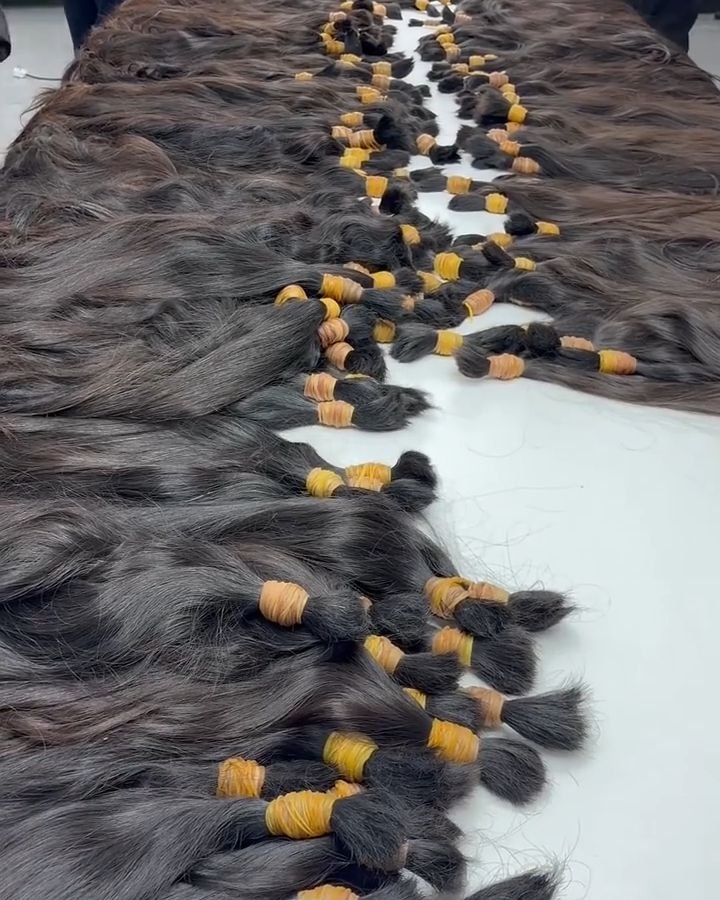
In my fifteen years of sourcing, customizing, and supplying high-end human hair wigs to global salons and medical clinics, I have seen it all. I have visited dusty workshops that promised "100% Virgin Remy hair" only to find acid-bathed, silicone-coated bundles hidden in the back. I have also built long-term partnerships with master artisans who treat wig-making like fine jewelry fabrication. Over the years, I learned that asking the right questions up front saves tens of thousands of dollars in ruined inventory. Here are the ten essential questions you must ask any potential partner before signing a purchase order.
Have you manufactured products for brands similar to mine?
Many wig suppliers claim they can make anything, but high-end European medical clinics and discount beauty supply shops require completely different standards of craftsmanship.
You need to ask if they have direct, hands-on experience catering to your specific niche and geographic market. A manufacturer who understands the expectations of premium clients in New York, London, or Sydney will discuss details very differently than a factory mass-producing synthetic party wigs.
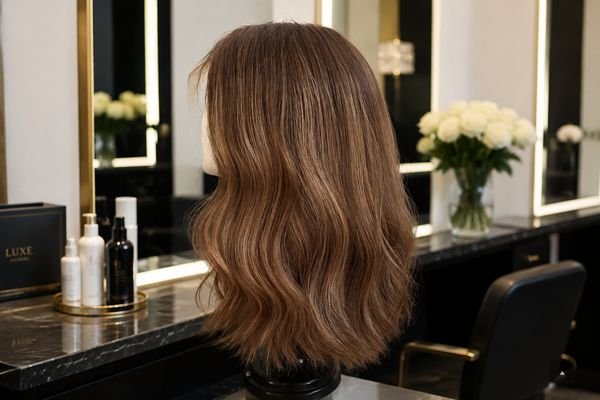
Understanding niche alignment
When I first started supplying premium human hair wigs to medical clinics in Germany, I quickly realized that standard fashion wigs would not cut it. Alopecia and chemotherapy patients have incredibly sensitive scalps. If a factory does not understand this target demographic, they will use cheap, scratchy lace or heavy, irritating glue in the construction.
An experienced human hair wig manufacturer will immediately understand the nuances of your market. They should be able to tell you:
- What percentage of their current clients are premium salons versus wholesale distributors.
- Which cap designs perform best for clients suffering from medical hair loss.
- How they adapt density and color tones specifically for Western or Middle Eastern clients.
Do you truly understand my unique brand positioning?
A transactional supplier only wants to know your order quantity and shipping address, but a true manufacturing partner wants to understand your brand identity.
A premium human hair wig manufacturer will ask about your brand positioning, your retail price points, and your customers' expectations before they ever quote a price. They should recommend products based on your strategic needs, rather than pushing whatever excess stock they have sitting in their warehouse.

The consultation process
If a supplier immediately sends you a generic price list without asking a single question about your brand, run away. When I onboard a new clinic or boutique salon, I always start with a deep-dive consultation.
I want to know if your clients are looking for daily-wear convenience or red-carpet realism. Do they have biological hair to pin the wig to, or are they completely bald? A great manufacturer uses this information to curate the perfect base materials, hair textures, and density profiles for you, acting as a consultant rather than a salesperson.
What does "high-quality hair" actually mean in your factory?
The hair industry is notorious for marketing jargon like "10A grade" or "raw virgin hair" that actually has no standardized meaning.
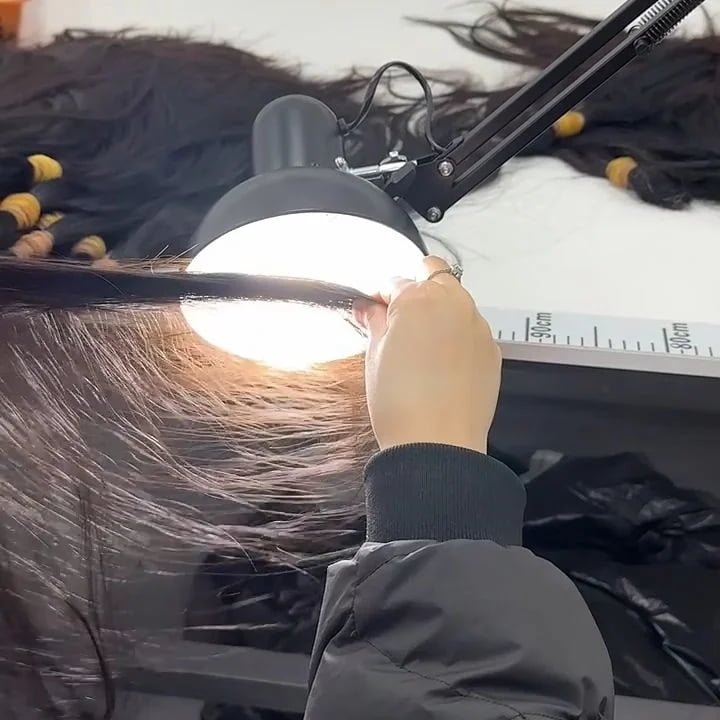
To get past the marketing fluff, you must ask your human hair wig manufacturer about the exact raw material origin, their sorting process, the expected lifespan of the hair, and how they maintain consistency across different batches.
Demystifying hair sourcing and grades
In my experience, the only way to guarantee premium quality is to understand the raw material supply chain. Let's break down what truly defines high-quality hair in a professional manufacturing setting:
| Feature | Premium Virgin Hair (Sought After) | Cheap Commercial Hair (Avoid) |
|---|---|---|
| Cuticle Status | 100% intact, running in the same direction. | Cuticles stripped via acid baths; coated in silicone. |
| Raw Material | healthy braids, gently sourced. | Floor scraps, combings hair. |
| Chemical Processing | Minimal to none. Gentle, slow-cold lift for light blondes. | Harsh bleaching agents and industrial textile dyes. |
| Lifespan | 1 to 3+ years with proper maintenance. | 3 to 6 weeks before severe tangling and shedding. |
When you interview a human hair wig manufacturer, ask them how they source their light blonde shades (#60 or #1001). If they claim they can produce a platinum blonde wig in three days from dark raw hair, they are using aggressive chemicals that destroy the hair's integrity. Premium blonde processing takes up 5~7 days of gentle, temperature-controlled lifting to preserve the cuticle.
Is the cap construction you recommend truly right for my clients?
There is no such thing as a "perfect" cap construction that suits every single client on the planet.
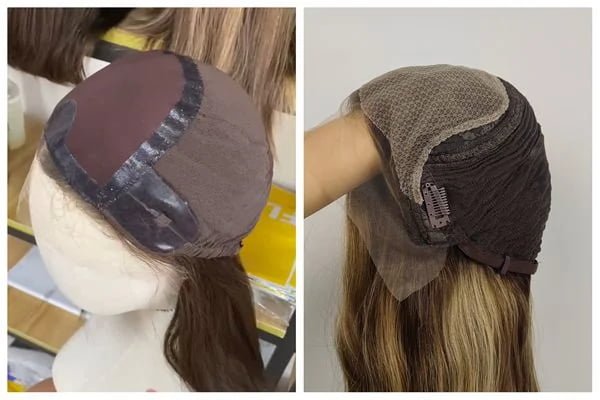
You must ask your human hair wig manufacturer to explain the practical pros and cons of different bases like Silk Tops, Lace Tops, and Full Lace caps. They must guide you toward the right cap construction based on your customers' specific lifestyles and comfort requirements.
Choosing the right base for your market
I once worked with a salon owner in Arizona who ordered fifty Silk Top wigs because she loved the realistic scalp appearance. However, her clients complained bitterly about the heat because silk bases do not breathe well in hot desert climates. We quickly pivoted her next order to ultra-breathable, Swiss lace tops.
- Swiss Lace Tops: Unbelievably flat, lightweight, and natural-looking at the hairline. Perfect for warm climates and active lifestyles, though they require delicate handling.
- Silk Tops (Injected Silk): Offer the most realistic scalp simulation available because the knots are hidden beneath a silk layer. However, they are thicker, heavier, and less breathable.
- Full Hand-Tied Monofilament: Offers multi-directional parting and extreme durability. This is the gold standard for medical alopecia patients who require maximum scalp comfort and security.
Which specific construction details showcase your product quality?
The difference between a luxury wig and a cheap knockoff lies entirely in the tiny, labor-intensive details that are often invisible at first glance.
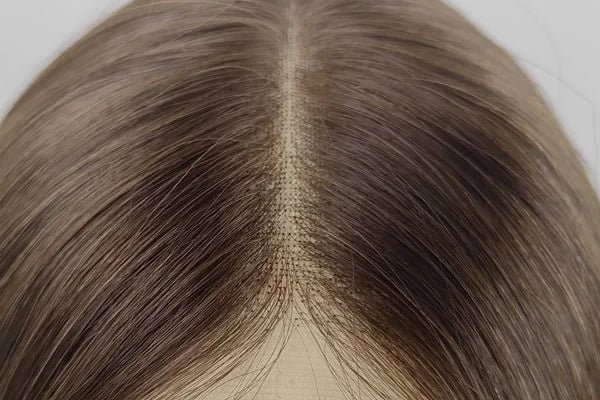
Ask your manufacturer to show you close-up photos or video samples of their front hairlines, bleached knots, density transition zones, and internal cap stitching. High-end human hair wig manufacturers take immense pride in these subtle details and will eagerly share their craftsmanship.
The anatomy of luxury craftsmanship
When I inspect a sample from a new workshop, I always look at three critical areas:
- The Hairline Ventilation: Cheap wigs have a thick, abrupt wall of hair at the front. High-end wigs feature a staggered, single-hair knotting technique that mimics the natural, gradual transition of a real hairline.
- Bleached Knots: Are the knots tiny and perfectly bleached to match skin tones, or are they large, dark, and highly visible? Over-bleaching ruins the root strength, leading to shedding, so this requires a highly skilled technician.
- Cap Tension and Elasticity: High-quality caps use medical-grade, hypoallergenic elastics and adjustable bands that stretch smoothly without losing shape or causing pressure headaches over time.
Are you willing to explain the trade-offs of different customization options?
Any supplier who tells you their wigs are "100% natural, 100% durable, ultra-thick, and completely weightless all at the same time" is lying to you.
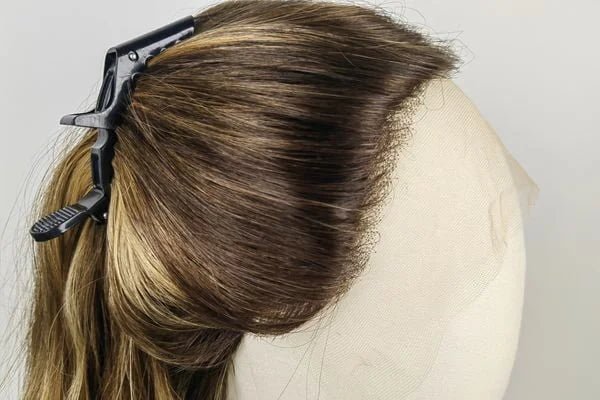
You must ask your human hair wig manufacturer to explain the realistic compromises inherent in wig design. A reliable partner will tell you exactly what you lose when you gain a specific feature, helping you set realistic expectations for your retail clients.
The reality of wig design trade-offs
In our industry, physics and textile limitations always apply. If you want a highly active client to have a completely secure wig, you may need to sacrifice a bit of breathability for silicone grip strips. I always appreciate when my clients ask me about these trade-offs because it tells me they want to educate their own customers. If a factory claims they have solved all these trade-offs with zero compromises, they are not being honest with you.
How do you guarantee consistency across different production batches?
The biggest complaint I hear from salon owners is that the golden sample they received was perfect, but the actual bulk order looked entirely different.
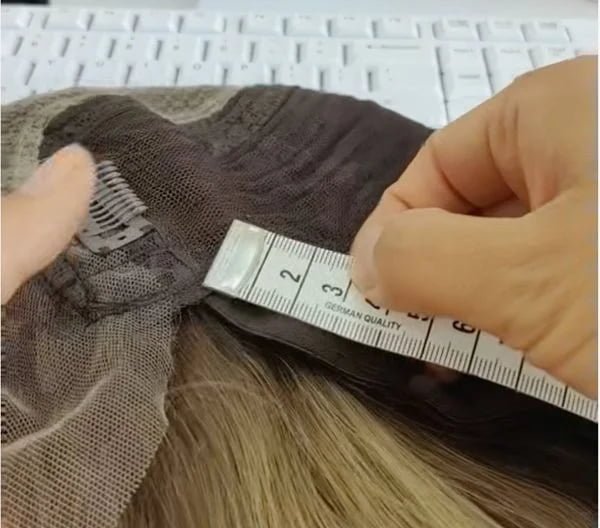
Ask your human hair wig manufacturer to walk you through their Quality Control (QC) process. They need to explain how they maintain identical sizing standards, hair density, and color matching across multiple production batches over time.
Establishing standardization in hand-made products
Because premium wigs are hand-tied by individual artisans, minor variations are natural. However, a professional factory must have strict standardization protocols to keep those variations within acceptable tolerances.
- Sizing Mandrels: Do they use standardized blocks and measuring tools to ensure a "Medium" cap measures exactly 54cm every single time?
- Color Swatch Books: Do they use a universal color ring to verify color formulas?
- Multi-Stage Inspection: Is there an independent QC team that inspects the cap stitching, measures hair length from root to tip before the wig leaves the facility?
What does your communication process look like during production?
A breakdown in communication during the manufacturing phase can result in weeks of delays and thousands of dollars in lost booking revenue for your salon.
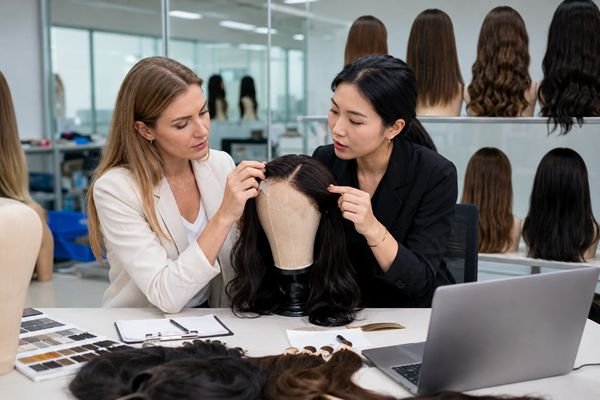
You need to ask how often they provide progress updates, who your dedicated point of contact will be, and how they handle unexpected production challenges. Look for a human hair wig manufacturer who proactively communicates risks rather than hiding them until the shipping deadline.
Why proactive communication matters
I remember a situation where we were sourcing a rare, natural light ash-brown raw hair bundle for a client’s custom order. Two weeks into production, our raw material collector notified us that the hair did not pass our elasticity check.
Instead of hiding this or using inferior hair, we immediately called our client, explained the situation, and presented two options: delay shipment by one week to source the correct batch, or adjust the color formula slightly. Our client was incredibly grateful for the transparency. That is the level of communication you should expect from your manufacturing partner.
What specifications must be locked in before official production begins?
A professional manufacturer will never start production based on vague descriptions like "a long blonde wig."
Ask your supplier for a comprehensive specification sheet that details every single variable of the order. Before a single hair is knotted, you must mutually agree on length, density, cap size, color code, parting type, and shipping terms.
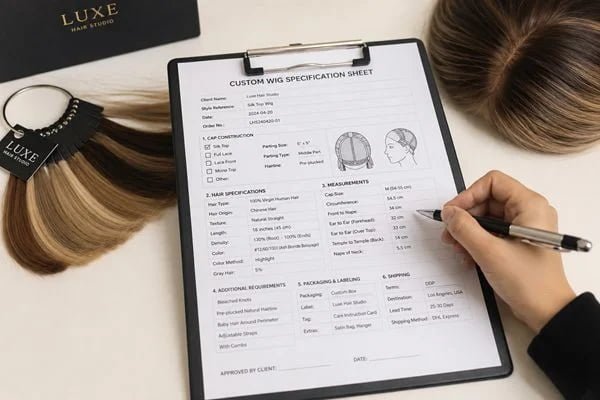
The pre-production checklist
Before we cut lace or sew wefts for any bulk order, we generate a detailed spec sheet. Here is what should be finalized:
- Length Measurement Method: Is it measured from the crown to the tips (standard salon method) or from the nape?
- Density Mapping: Is the density uniform, or does it feature a natural gradient (e.g., 100% density at the hairline transitioning to 130% at the crown)?
- Color Target: Are we matching a physical sample sent to the factory, or a specific shade on a standard color ring?
- Packaging and Labeling: Are we using generic satin bags, or custom branded boxes with your salon's logo?
How do you handle things if a shipment has quality issues?
How a manufacturer behaves when things go wrong tells you everything you need to know about their integrity and long-term viability.
Directly ask your human hair wig manufacturer about their return, repair, and remake policies for defective products. A trustworthy partner stands behind their craftsmanship and will work quickly to rectify mistakes rather than shifting the blame.

Building a partnership based on accountability
Even with the absolute best QC systems in place, human errors can happen in hand-made manufacturing. A weft might unravel, or a color tone might shift slightly during the final wash.
When you ask this question, look for clear, concrete policies. Will they repair a defective wig at their own expense? Will they offer a credit on your next order if a wig does not match the signed-off spec sheet? If a supplier claims they have a "zero-mistake record" and therefore do not need a return policy, they are not being realistic. Choose a partner who values your long-term trust over a single transaction.
Frequently Asked Questions
What is the average lead time for a custom human hair wig?
For high-end, hand-tied human hair wigs, the standard production time typically ranges from 6 to 8 weeks. Premium blonde shades or custom cap modifications can take slightly longer because the gentle hair processing and hand-knitting stages cannot be rushed without ruining the quality.
Can I send my own cap templates and color samples to the factory?
Absolutely. Any premium human hair wig manufacturer should welcome physical samples, head molds, or color swatches. This is actually the most effective way to eliminate communication gaps and ensure your bulk orders perfectly match your salon’s existing inventory standards.
Why do some human hair wigs start tangling after a few washes?
This usually happens because the factory used lower-grade, non-Remy hair that had its cuticles chemically stripped and then coated in heavy silicone. Once the silicone washes off after a few shampoos, the exposed, misaligned hair fibers begin rubbing together, causing severe tangling and matting.
Conclusion
When sourcing premium inventory for your brand, you should never settle for a factory that simply knows how to assemble a basic wig. Instead, look for a dedicated partner who genuinely understands your luxury brand positioning, respects your target clientele, communicates with absolute transparency, and consistently delivers the high-end quality your business depends on.
As a boutique human hair wig manufacturer specializing in premium lace and medical-grade wigs for the Western and Middle Eastern markets, we understand the exact level of detail your discerning clients expect. If you are looking to elevate your inventory and partner with a supplier who values craftsmanship over shortcuts, contact us today to schedule a detailed B2B consultation. Let's build a beautiful, reliable supply chain for your brand together.