

When you compare wig samples from multiple suppliers, relying solely on unboxing feel often leads to costly procurement mistakes. Brands, salons, and medical hair clinics frequently receive silky samples that quickly turn matted and rough after a single wash. I have seen hundreds of buyers fall into this trap. Understanding how to evaluate sample hair quality, cap construction, and processing integrity protects your business reputation and long-term customer satisfaction.
To compare wig samples effectively, buyers must conduct a stripped-down wash test, evaluate cuticle alignment beneath silicone coatings, test knot construction, and check hairline transitions under natural lighting. Never judge samples out of the box; evaluate post-wash hair resilience, cap comfort, ventilation security, density realism, and the vendor's long-term production consistency.
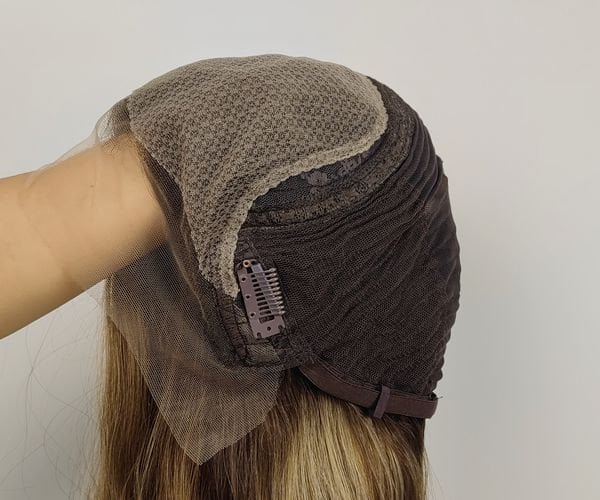
Evaluating initial tactile softness is easy, but identifying true hair quality requires a more careful evaluation process. Let us break down how you can compare wig samples accurately and choose a manufacturing partner that can consistently support your business growth.
Why Can First Impressions Deceive When You Compare Wig Samples?
Sourcing high-end human hair wigs requires deep technical inspection. If you rely on initial shine and softness out of the package, you risk ordering inventory that degrades within weeks. This misstep damages customer trust and burns through your purchasing budget.
Unboxing impressions are deceptive because manufacturers often apply temporary silicone coatings and industrial glossing agents to hide damaged cuticles. These treatments give lower-grade hair a temporary silkiness. True quality only reveals itself after washing away chemical additives to expose raw hair texture, cuticle direction, and structural integrity.

The Illusion of Out-of-the-Box Softness
I remember working with a salon owner from Sydney who came to me after losing thousands of dollars with a previous supplier. She had chosen a vendor based on a stunning, glass-like sample unit out of the box. Within three washes, her clients complained of severe tangling and dry, frizzy ends. What went wrong? The supplier had used heavy silicone baths on chemically processed, acid-washed hair.
When you compare wig samples, you must look past surface finish. A high-grade human hair piece should not rely on artificial coatings to feel smooth.
The Post-Wash Inspection Evaluation
To reveal the true quality of the hair material, follow a strict washing routine:
- Neutral Wash: Wash the sample with warm water and a simple, sulfate-free shampoo.
- Zero Additives: Skip all conditioners, leave-in serums, and heavy hair oils during this evaluation test.
- Air Drying: Allow the wig to air-dry naturally on a wig stand without using a blow dryer.
If the hair turns frizzy, stiff, or puffy after drying, the factory used low-grade hair treated with heavy smoothing chemicals. Premium virgin hair, by contrast, retains its natural movement, subtle luster, and manageable texture even without post-wash conditioning treatments.
What Are the 7 Key Criteria to Compare Wig Samples?
Evaluating samples across inconsistent benchmarks creates confusion during vendor selection. Without a structured matrix, you cannot differentiate premium craftsmanship from cheap manufacturing. You need precise technical parameters to make an objective commercial decision.
To properly compare wig samples, evaluate post-wash hair performance, raw cuticle alignment, hairline transition naturalness, realistic density levels, shedding resistance, cap ventilation comfort, and supplier consistency. Measuring these seven criteria prevents costly batch errors and ensures your inventory meets professional salon and clinic standards.
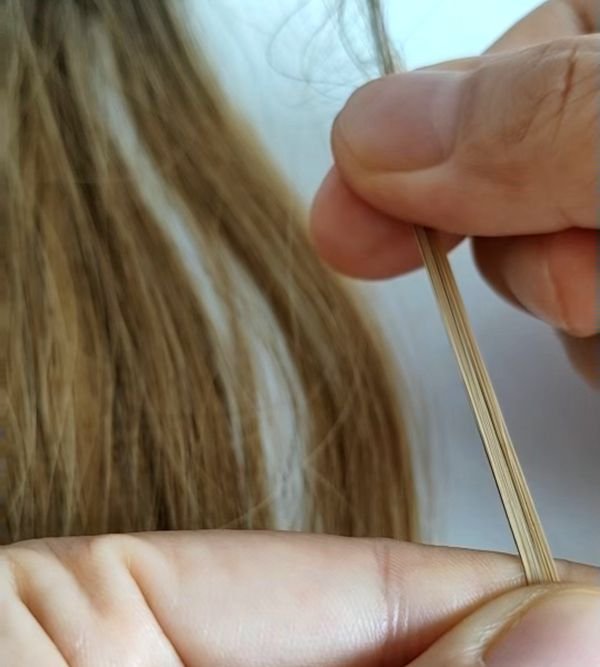
In my experience manufacturing for luxury European brands and medical hair clinics, buyers who standardize their evaluation criteria avoid major quality control headaches. Here are the seven metrics to evaluate when comparing wig samples:
1. Post-Wash Hair Performance
This remains the single most important test. Once surface silicone washes off, inspect the hair for shaft expansion, matting, or dry texturing. Premium hair holds its structure gracefully.
2. Hair Quality and Cuticle Alignment
Inspect raw material origin and cuticle alignment. While hair wet, slide your fingers from root to tip, then from tip to root. If the hair feels smooth downward but has some resistance upward, the cuticles are likely retained and mostly aligned; if both directions feel equally smooth, the cuticles may have been heavily removed through acid treatment. Repeat the wash test several times, as recurring tangling may indicate that some strands are mixed in the wrong direction.
3. Natural Hairline
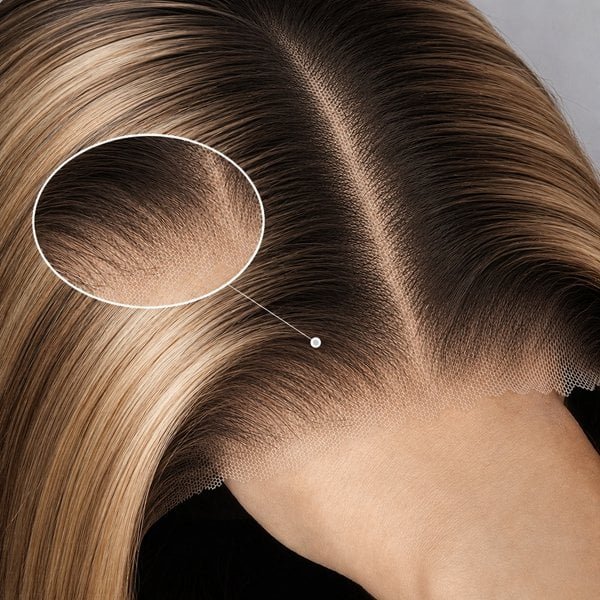
Examine the front lace transition under bright, natural light. Look for gradual density changes, natural temple recession, and micro-bleached single knots. Oversized black knots or straight, thick hair boundaries look fake and require excessive salon customizing.
4. Realistic Density Selection
A common mistake among new brand owners is assuming thicker hair equals higher quality. In high-end markets, realistic 130% density frequently looks far more elegant and natural than overly bulky 150% or 180% density caps.
| Evaluation Metric | High-End Standard | Low-Grade Indicator |
|---|---|---|
| Hair Surface Coating | Minimal to zero silicone; natural sheen | Heavy silicone coat; artificial glass shine |
| Knotting Precision | Micro-knots; single delicate knots at edge | Large dark knots; double heavy knots throughout |
| Post-Wash Behavior | Soft, flexible, minimal puffy | Puffy, dry, immediate nape tangling |
| Density Gradient | Gradual 80% to 130% hairline transition | Flat 150% block density across lace |
| Cap Interior Finish | Soft Swiss lace, flat smooth seams | Scratchy mesh, rough elastic, bulky seams |
5. Shedding and Ventilation Security
Forcefully run your fingers through the piece from roots to ends ten times. Inspect the hair retention on hand-tied lace sections and machine-sewn wefts. Excessive initial shedding indicates weak knot tension or poor track stitching.
6. Cap Construction and Comfort
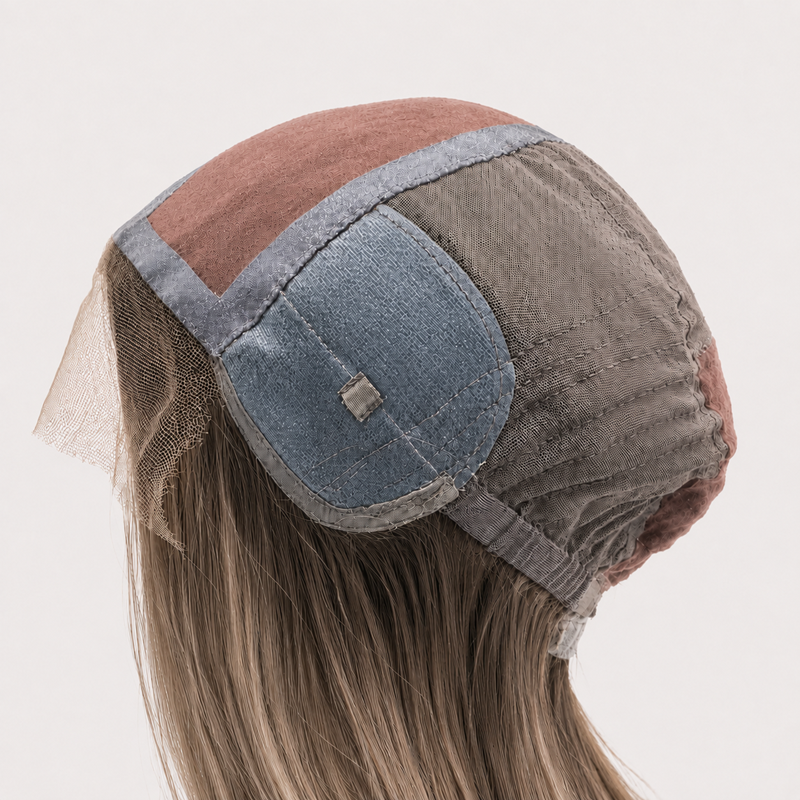
Inspect lace transparency, seam elasticity, adjustable strap durability, and interior silicone lining placement for glueless medical caps. Medical wig clients require non-irritating, highly breathable cap bases for sensitive scalps.1
7. Supplier Production Consistency
A single perfect prototype means nothing if the factory cannot replicate it at scale. Ask the manufacturer about their raw hair sorting protocols, batch testing standards, and quality guarantees.
What Common Errors Occur When You Compare Wig Samples?
Relying only on the first impression of a wig sample can lead brands to choose suppliers that cannot consistently deliver the expected quality. Another common mistake is comparing samples without considering the same specifications, which can result in inaccurate decisions and affect the final customer experience.
Common sample evaluation errors include judging wigs immediately out of the box, confusing high hair density with luxury quality, prioritizing initial unit cost over client satisfaction, and comparing samples with non-matching specifications like differing cap styles, hair lengths, or color processing levels.
With years of experience in the human hair industry, I have seen many brands make the same mistakes when evaluating wig samples from different suppliers.
Error 1: Relying Solely on Out-of-the-Box Tactile Feel
As discussed, heavy industrial conditioners create a temporary luxury feel. If you base your buying decision on initial touch alone, you are evaluating chemical additives rather than the physical integrity of the hair shaft.
Error 2: Equating Heavy Density with High Quality
Many buyers assume a 180% density unit is superior to a 130% density unit because it contains more hair weight. However, medical wig wearers and high-end salon clientele prefer realistic volume that mimics natural scalp growth. Overly dense caps look artificial and collect excess heat.
Error 3: Prioritizing Low Sample Price Over Client Retention
Saving $20 on a cap sample looks great on a purchasing report. However, if that sample yields a 15% return rate due to shedding or matting after three weeks of client wear, your operational costs skyrocket. High client retention in hair salons and medical clinics relies on product longevity.
Error 4: Comparing Mismatched Specifications
To make an accurate comparison between Vendor A and Vendor B, request identical specifications:
- Exact length and origin (e.g., 18-inch Chinese Premium Remy Hair)
- Exact density percentage (e.g., 130% natural density)
- Identical cap base (e.g., 3.5”x5” lace top wig)
How to Select a Manufacturing Partner When You Compare Wig Samples?
Finding a sample you like is only the first step in building a profitable hair business. Partnering with the wrong factory leads to inconsistent production batches, delayed shipping, and compromised quality standards over time.
To select a long-term manufacturing partner, look beyond initial sample beauty. Choose a supplier with verified raw hair sourcing, flexible production capabilities, clear quality control protocols, and an understanding of your target market's specific density, lace, and comfort demands.
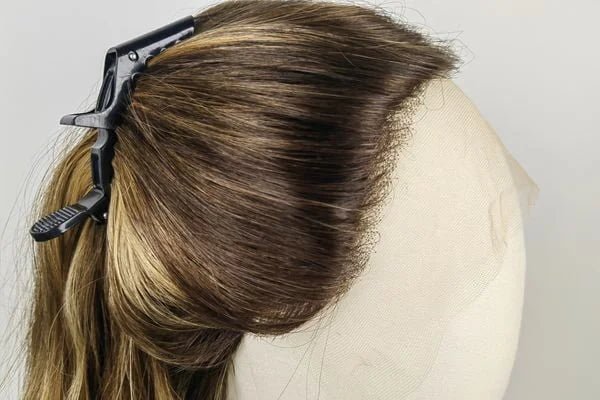
When evaluating suppliers, you are not just purchasing a single wig; you are choosing a long-term partner who understands your quality expectations and can support your brand growth.
Here is what I advise my clients to look for when choosing a manufacturing partner:
Hair Source and Material Quality
The quality of a human hair wig starts with the raw materials. A reliable supplier should understand how to select and process hair while maintaining consistency across different colors and batches. This is especially important for blonde shades, where excessive processing can affect softness and durability. High-quality hair usually requires less silicone coating and keeps a more natural feel after washing.
Standardized In-House Quality Inspection
Ask your vendor how they perform quality control before shipping bulk orders. Do they perform wash tests, hairline check, and lace inspection on every production lot?
Key Takeaway: The true test of a partner is batch consistency. The sample you hold in your hand today must match the hundredth unit produced six months from now.
Frequently Asked Questions
Why does a wig sample feel soft initially but deteriorate after washing?
Many factories coat chemically treated hair with heavy silicone and glossing agents to give samples temporary softness. Once washed with standard shampoo, the silicone layer strips away, exposing damaged, misaligned cuticles that mat and feel coarse.
What is the most critical step when you compare wig samples from suppliers?
The most critical step is performing a stripped-down wash test without conditioner or leave-in oils. Allowing the hair to air-dry naturally reveals its raw quality, wave pattern, cuticle alignment, and propensity for tangling or puffy.
Is higher hair density always better for high-end human hair wigs?
No. High-end clients, salons, and medical clinics generally prefer realistic densities around 130% to 150%. Excessively thick densities (180%+) often look artificial, create uncomfortable cap weight, and require heavy thinning during professional styling.
How do you evaluate if a wig sample's hairline looks natural?
Inspect the lace boundary under natural light. Look for single-knotted hair along the front edge, gradual density transition from front to crown, subtle temple recession contouring, and tiny micro-bleached knots that seamlessly blend with skin tones.
Why Is the Post-Wash Test Essential When Comparing Wig Samples?
Post-wash testing allows wholesale buyers to assess how the product performs in the hands of end clients. It prevents brands and clinics from buying temporarily altered hair that causes returns, bad reviews, and client dissatisfaction down the line.
Conclusion
Comparing factory samples effectively requires stripping away surface coatings, testing structural integrity, and evaluating key parameters like hairline transition, cap comfort, and cuticle alignment. When you compare wig samples, do not be misled by initial unboxing softness. Focus on post-wash resilience, realistic density, and the vendor's ability to replicate quality across bulk orders consistently.
If you are building a luxury wig brand, running a professional salon, or developing medical hair solutions, we would be happy to discuss your requirements and create customized wig samples that match your quality standards.
"Wigs for Cancer Patients: Your Guide to Finding the Right Wig", https://www.nationalbreastcancer.org/blog/wigs-for-cancer-patients/. Organizations and guidelines for medical hair loss solutions emphasize that wig caps for individuals with sensitive scalps, such as those undergoing chemotherapy or with alopecia, must prioritize non-irritating materials and high breathability to ensure comfort and prevent skin issues. Evidence role: expert_consensus; source type: institution. Supports: the specific needs of medical wig clients for non-irritating and highly breathable cap bases due to scalp sensitivity.. ↩