

I remember the first time a client asked me about medical wigs. She was nervous, vulnerable, and needed something that wouldn't slip off her sensitive scalp. That conversation changed how I understood what medical wigs really mean to women facing hair loss.
Premium medical wigs for women are specifically designed with anti-slip silicone strips and hand-tied construction to stay secure on sensitive or completely bald scalps, unlike regular wigs that rely on clips and require existing hair for attachment.
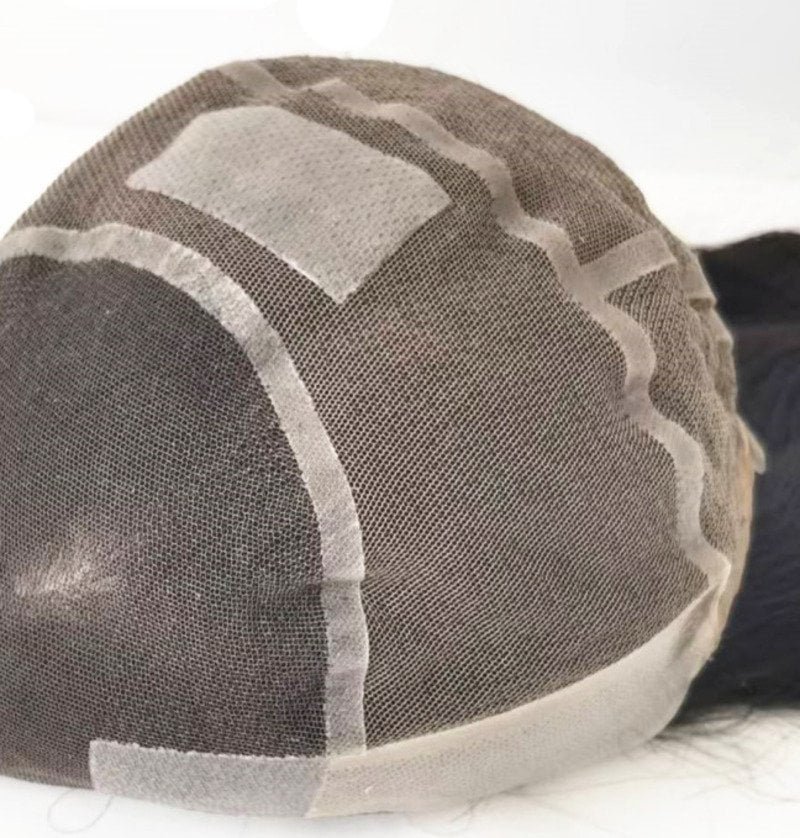
This isn't just about aesthetics. It's about dignity, comfort, and confidence during one of life's most challenging moments. Let me walk you through what we've learned from manufacturing these specialized pieces.
Why Do Medical Wigs Use Silicone Instead of Clips?
Most people don't realize that regular wigs depend on clips. Those clips need something to grab onto. But what happens when there's nothing to grip?
Medical wigs use medical-grade silicone strips because they create friction against the scalp without needing any existing hair, making them ideal for women experiencing complete hair loss from chemotherapy or alopecia1.
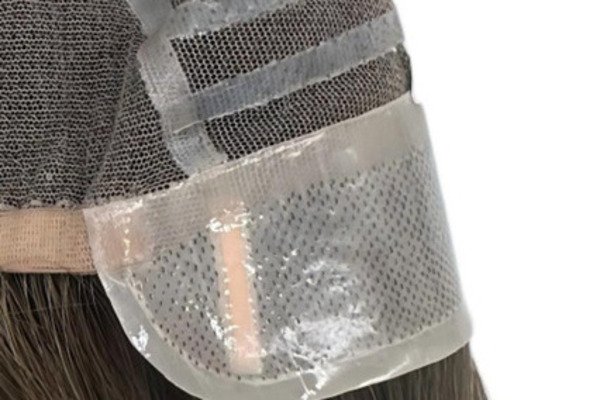
From our factory floor perspective, the silicone attachment system represents months of research and testing. We don't just apply any silicone to the cap base. Each silicone strip goes through rigorous selection.
The silicone we choose has been market-tested across different climates and skin types. I've seen manufacturers cut corners here, and the results are heartbreaking. Women develop rashes. The wig slips during emotional moments.
The thickness matters more than most people understand. Too thick, and the wig feels heavy and obvious. Too thin, and it won't hold. We aim for that sweet spot where functionality meets comfort. Our silicone strips are thin enough that women forget they're wearing them, but strong enough that the wig stays put during daily activities.
Here's what our silicone system provides:
| Feature | Benefit | Why It Matters |
|---|---|---|
| Medical-grade material | No allergic reactions | Safe for chemotherapy patients |
| Optimal thickness | Secure without bulk | Comfortable all-day wear |
| Strategic placement | Even weight distribution | No pressure points |
| Tested grip strength | Stays during movement | Confidence in daily life |
For women with severe hair loss, this silicone system becomes their security blanket. They can exercise, sleep, and live without constantly adjusting their wig.
How Long Does It Take to Make a Medical Wig?
I often get asked why medical wigs cost more than regular wigs. The answer lies in the time and skill required.
Creating a premium medical wig takes at least one week to ten days just for the silicone application process, followed by extensive hand-knotting work, making the total production time significantly longer than standard wigs.
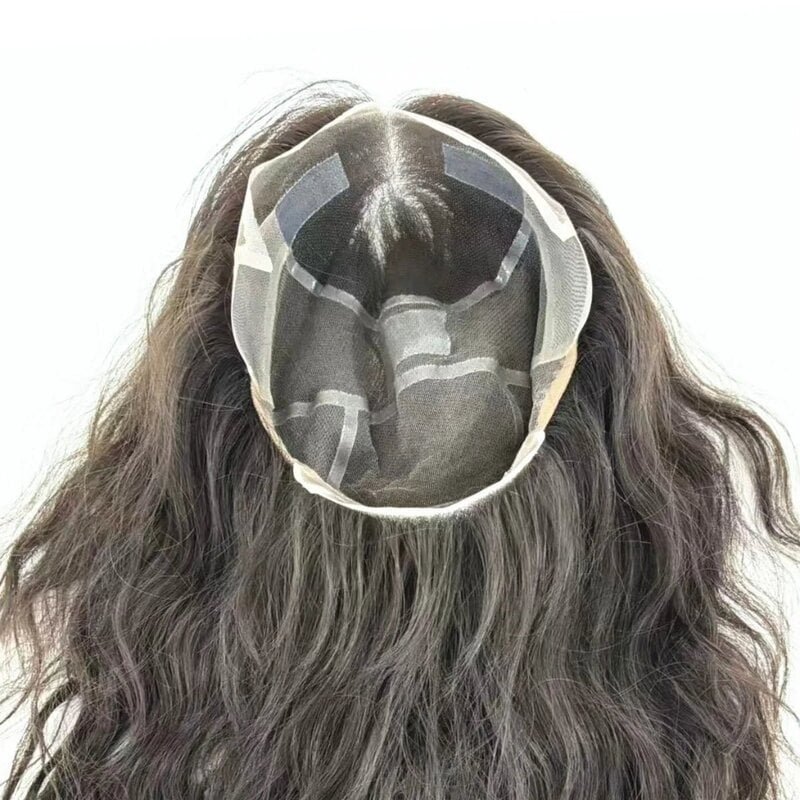
The silicone application process alone requires patience I didn't fully appreciate until I watched our craftspeople work. They apply the silicone in layers. Each layer needs time to cure properly. Rush this process, and the silicone won't bond correctly to the cap material.
Between each silicone layer, the cap must rest. The silicone needs to settle and create that perfect grip texture. This isn't something we can speed up with machinery or shortcuts. It's a waiting game that demands discipline.
Then comes the hand-knotting phase. Medical wigs almost always use full hand-tied construction. Why? Because hand-tied hair moves naturally. It doesn't pull or create tension on sensitive scalps. Each individual hair gets knotted into the cap base by hand.
I've watched our most experienced craftspeople work on these wigs. They can knot for eight hours and still not finish a single piece. The density needs to be perfect. Too sparse, and the wig looks thin. Too dense, and it becomes heavy and unnatural.
The production timeline breaks down like this:
| Production Stage | Time Required | Skill Level |
|---|---|---|
| Cap preparation | 1-2 days | Medium |
| Silicone application | 7-10 days | High |
| Curing and testing | 2-3 days | Medium |
| Hand-knotting hair | 5-7 days | Expert |
| Quality inspection | 1-2 days | High |
| Styling and finishing | 1 day | High |
This extended timeline directly impacts cost. We're paying skilled craftspeople for weeks of focused work on a single wig. The materials cost more. The quality control takes longer. But the result is a wig that a woman can trust during her most vulnerable time.
Some clients ask if we can speed up production. Technically, yes. But I won't compromise on the process. I've seen what happens when manufacturers rush medical wigs. The silicone peels after a few weeks. The hand-tied hair sheds excessively. The woman who trusted that wig feels betrayed.
What Makes the Hair Quality Different in Medical Wigs?
The hair we use in medical wigs isn't the same as regular wig hair. It can't be.
Medical wigs use 100% virgin human hair that's ethically sourced and specifically selected for fine to medium textures because this hair type is softer, lighter, and less likely to irritate sensitive scalps recovering from medical treatments.
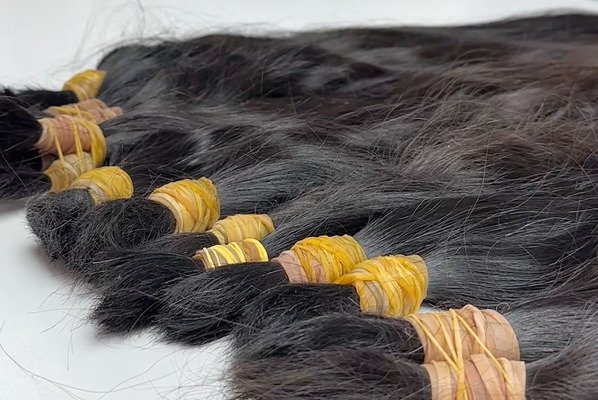
I source hair from suppliers I've worked with for years. They understand that medical wig hair needs different characteristics. The cuticles must all face the same direction. The hair can't have any chemical processing. Even the slightest treatment could trigger a reaction on a chemotherapy patient's scalp.
We focus on fine to medium hair textures. Coarse hair, while durable, can feel scratchy against sensitive skin. Fine hair moves more naturally and weighs less. For a woman already dealing with the physical toll of treatment, every gram matters.
The ethical sourcing aspect isn't just marketing speak for us. I need to know where the hair comes from. I need to know the donors were treated fairly. This traceability costs more, but it's non-negotiable. Women wearing medical wigs deserve to feel good about every aspect of their choice.
Our hair selection process includes:
| Quality Factor | Our Standard | Industry Standard |
|---|---|---|
| Cuticle alignment | 100% intact and aligned | Often stripped |
| Chemical processing | Absolutely none | May include light processing |
| Texture consistency | Matched within 5% variation | Matched within 15% variation |
| Donor traceability | Full documentation | Often unknown |
One client told me she could tell the difference immediately. Her previous medical wig had hair that felt "dead" and tangled constantly. Our wig's hair moved like her own hair used to move. That feedback keeps me committed to our sourcing standards.
How Do You Care for a Silicone-Based Medical Wig?
Many women worry that the silicone strips make the wig harder to clean. The opposite is true.
Caring for a silicone-based medical wig requires gentle washing with sulfate-free shampoo2 and avoiding oils or conditioners on the silicone strips, which maintains the grip while keeping the wig fresh and comfortable for daily wear.

The silicone strips are actually quite durable. They don't degrade quickly like some people fear. But they do need specific care to maintain their grip properties.
I always tell clients to think of the silicone areas as separate from the hair. When washing, focus the shampoo on the hair itself. Let the water rinse over the silicone, but don't scrub it with products. Oils and heavy conditioners can make the silicone slippery, defeating its purpose.
The washing frequency depends on activity level and climate. In my experience, most women wash their medical wig every seven to ten days. More frequent washing isn't necessary and can reduce the wig's lifespan.
Between washes, the wig should rest on a wig stand. This allows air circulation around the cap and silicone areas. Moisture trapped against silicone can create an environment for bacteria, which is the last thing a compromised immune system needs.
Here's the care routine I recommend:
| Care Step | Frequency | Important Notes |
|---|---|---|
| Gentle washing | Every 7-10 days | Use lukewarm water |
| Silicone cleaning | Monthly | Mild soap only, no oils |
| Air drying | After each wash | Never use heat on silicone |
| Storage | When not wearing | On a stand, cool dry place |
| Professional check | Every 3 months | Inspect silicone integrity |
The silicone strips typically maintain their grip for six months to a year with proper care. After that, they can be professionally replaced, extending the wig's life significantly.
Why Does Hand-Tied Construction Matter for Medical Wigs?
I've had clients ask why we can't use machine-made wefts for medical wigs. The answer comes down to comfort and realism.
Hand-tied construction in medical wigs creates individual knots for each hair strand, eliminating the rigid weft lines that can irritate sensitive scalps and allowing the hair to move naturally in any direction like biological hair growth.
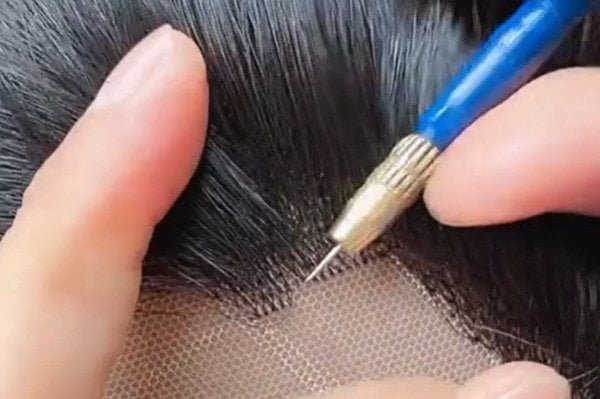
Machine-made wefts create lines of hair attached to fabric strips. These strips, even thin ones, create pressure points. For a healthy scalp, this might cause minor discomfort. For a scalp recovering from chemotherapy or dealing with alopecia, these pressure points can become painful.
Hand-tied construction means each hair is individually knotted into the cap base. The knots are tiny. The hair can move freely. There are no rigid lines or strips creating uneven pressure.
I watch our craftspeople tie these knots. They work under magnification to ensure each knot is secure but not tight. The angle of each knot matters. Hair needs to emerge from the cap at natural angles to create realistic movement and parting.
The hand-tied method also allows for graduated density. Around the hairline, we tie fewer hairs per square inch. This creates that soft, natural-looking hairline that's crucial for realism. In the crown area, we increase density for coverage. Machine wefts can't achieve this variation.
The benefits of hand-tied construction include:
| Benefit | Impact | Why It Matters for Medical Wigs |
|---|---|---|
| No pressure lines | Even weight distribution | Critical for sensitive scalps |
| Multi-directional styling | Natural movement | Boosts confidence |
| Customizable density | Realistic appearance | Matches pre-loss hair |
| Breathability | Better air circulation | Reduces scalp irritation |
| Durability | Longer lifespan | Better value investment |
One of my clients described the difference perfectly. She said her machine-wefted wig felt like wearing a helmet. Our hand-tied medical wig felt like her scalp could breathe again. That's the difference we're creating with every individual knot.
What Should You Look for When Buying a Medical Wig?
Not all medical wigs are created equal. I've seen products marketed as medical wigs that wouldn't pass our basic standards.
When buying a medical wig, look for medical-grade silicone strips, full hand-tied construction, virgin human hair certification, and a cap design that covers your entire scalp without gaps or tight spots.
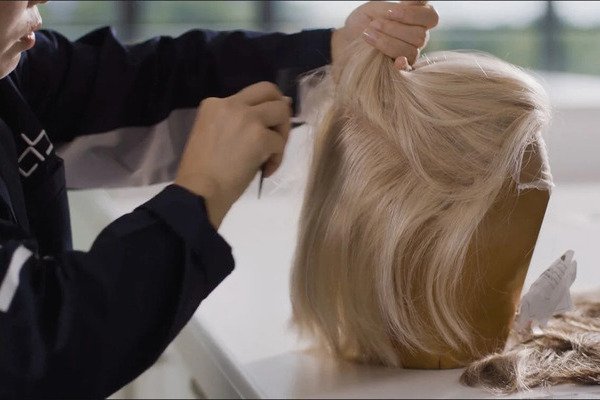
The silicone should be clearly visible inside the cap. Some manufacturers hide inferior silicone under fabric, which reduces its effectiveness. Good silicone strips are typically placed along the perimeter and across the crown area for maximum grip.
Check the cap construction carefully. Medical wigs need full coverage3. There shouldn't be any open areas or thin spots. The cap should extend far enough to cover the entire scalp, including the nape and behind the ears.
Ask about the hair source. Reputable manufacturers will provide documentation about their hair sourcing. If a company can't or won't tell you where the hair comes from, that's a red flag.
The hand-tied construction should be evident when you examine the inside of the cap. You should see individual knots, not weft lines. The knots should be small and consistent in size.
Here's a quality checklist:
| Feature | What to Look For | Warning Signs |
|---|---|---|
| Silicone strips | Visible, medical-grade, even application | Hidden, thin, or patchy |
| Cap construction | Full coverage, soft material, breathable | Gaps, rough edges, heavy |
| Hair quality | Smooth, minimal shedding, natural movement | Tangling, excessive shedding, stiff |
| Hand-tied work | Consistent knots, natural density variation | Visible wefts, uneven density |
| Documentation | Hair sourcing, care instructions, warranty | Vague information, no warranty |
Price is often an indicator, but not always. I've seen overpriced medical wigs with poor construction and fairly priced ones with excellent quality. Focus on the features and construction, not just the price tag.
Ask if you can see the wig in different lighting. Natural sunlight reveals a lot about hair quality and cap construction that indoor lighting might hide. A good medical wig should look natural in all lighting conditions.
How Do Premium Medical Wigs Improve Quality of Life?
Beyond the technical specifications, medical wigs impact daily life in ways that are hard to quantify.
Premium medical wigs restore a sense of normalcy and control during medical treatment by providing secure, comfortable, and natural-looking hair that allows women to focus on healing rather than worrying about their appearance.

I've received letters from clients that I keep in my office. One woman wrote that her medical wig allowed her to attend her daughter's wedding without anyone knowing she was undergoing chemotherapy. She didn't want pity or questions. She wanted to be mom, not cancer patient, for one day.
Another client told me she wore her medical wig to job interviews during treatment. She needed to work for financial and emotional reasons. The wig gave her the confidence to present herself professionally without her illness being the first thing people noticed.
The psychological impact of hair loss during medical treatment is
Medical wigs provide a secure and comfortable solution for women experiencing hair loss due to chemotherapy or alopecia. ↩
Sulfate-free shampoo is gentle on both the hair and silicone strips, maintaining the wig's integrity and comfort. ↩
Full coverage ensures the entire scalp is protected and comfortable, preventing gaps and irritation. ↩