

Struggling with hair loss and finding a wig that feels secure and comfortable is a real challenge.1 You worry about it slipping or irritating your sensitive scalp, making a difficult time even harder.
A truly premium medical wig provides ultimate security and comfort using advanced features like hypoallergenic silicone grips2 instead of clips, and lining the cap with ultra-soft materials. This combination is meticulously crafted for women with sensitive scalps and significant hair loss, ensuring it feels like a part of you.
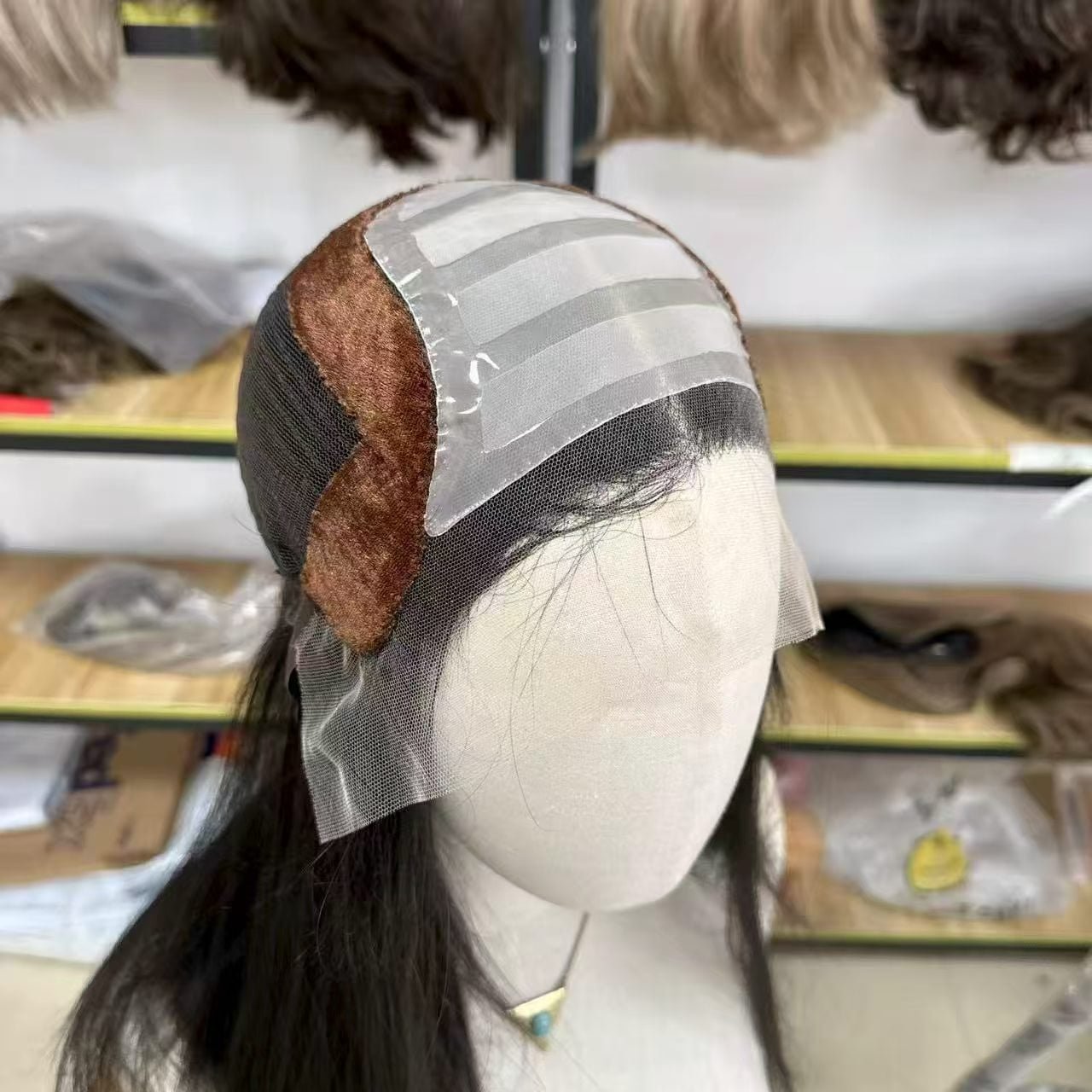
Finding the right wig is a deeply personal journey. It's not just about covering hair loss; it's about regaining a sense of normalcy and confidence. Over the years, I've dedicated my work to perfecting the details that make a wig feel less like a temporary fix and more like a permanent, comfortable solution. Let's explore the specific features that elevate a wig to a truly premium medical-grade piece.
Why is Silicone the Secret to a Secure Medical Wig?
Are you tired of wigs that rely on painful clips? You worry about them pulling on remaining hair or creating pressure points on your scalp, but you still need to feel secure.
Silicone is the secret because it creates a gentle, non-slip grip without clips. It works like a second skin, using subtle suction to stay in place3. This method is hypoallergenic, incredibly secure, and perfectly suited for women with little to no hair4.
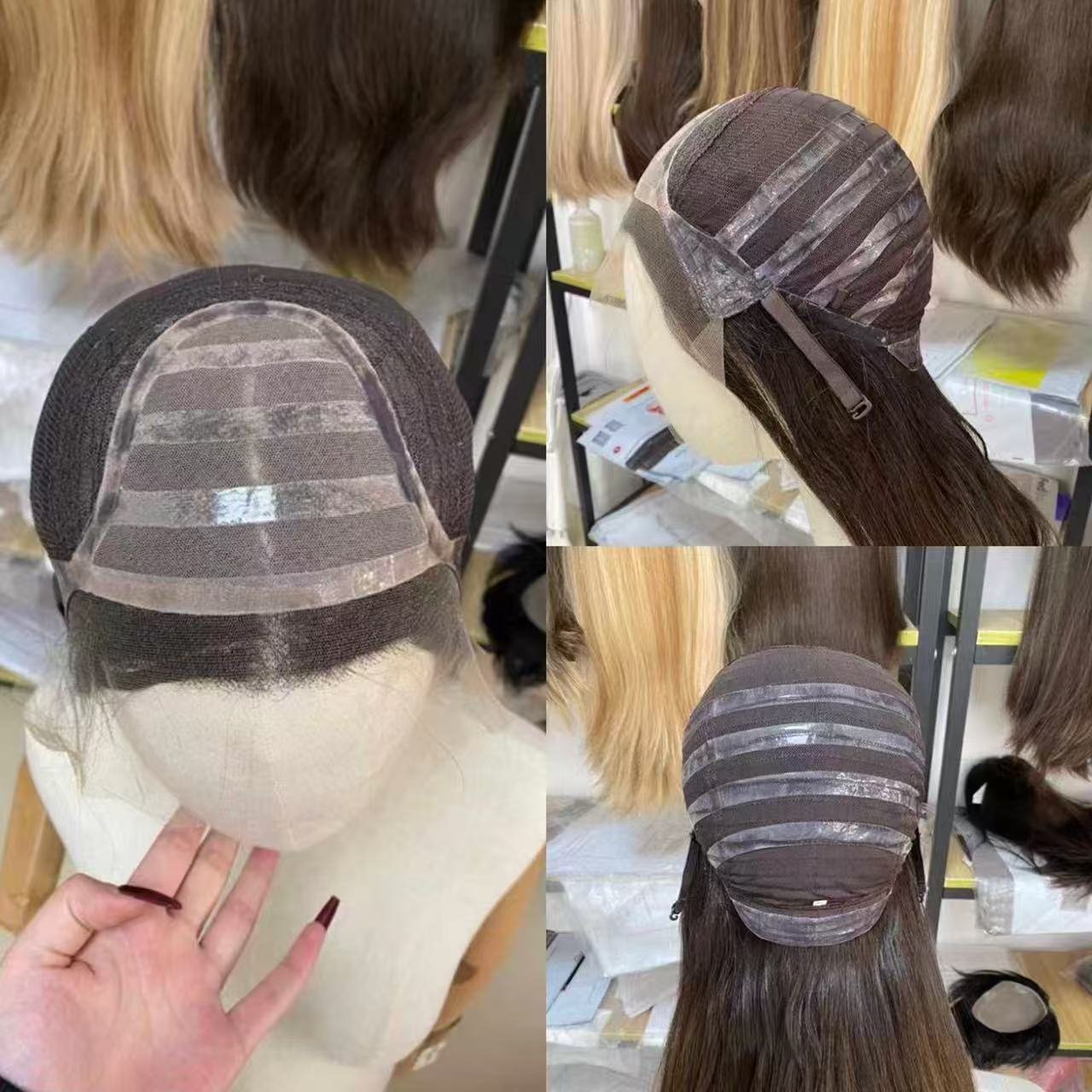
When I design a medical wig, my top priority is security that doesn't compromise comfort. This is where silicone becomes essential. Unlike clips, which need hair to grab onto, silicone adheres gently and securely to bare skin. The silicone we use is medical-grade5 and carefully selected to be hypoallergenic, so it won't cause any skin irritation. We also pay close attention to the thickness. It needs to be just thick enough to provide a reliable grip but as thin as possible so you barely feel it's there. This makes the wig incredibly comfortable for all-day wear. The application process itself is a testament to our commitment to quality. Applying the silicone by hand to the delicate cap is a meticulous job that takes our skilled artisans at least a week, sometimes up to 10 days. This careful process ensures the placement is perfect and the bond is durable.
| Silicone Placement Area | Primary Function |
|---|---|
| Forehead/Front Hairline | Prevents the wig from lifting at the front. |
| Temples/Ear Tabs | Secures the sides and stops shifting. |
| Crown Area | Provides extra grip and stability on top. |
| Nape of the Neck | Stops the wig from riding up in the back. |
This customized, gentle approach provides peace of mind that is simply not possible with standard wigs.
How Do You Ensure Maximum Comfort for a Sensitive Scalp?
Medical treatments can make your scalp incredibly tender6. The thought of a standard, scratchy wig cap touching your skin all day is unbearable, adding stress you don't need.
We ensure maximum comfort by adding a protective, ultra-soft layer of material inside the wig cap. This barrier sits between the base and your skin, preventing any irritation from lace or seams, which is especially important for post-chemotherapy scalps7.
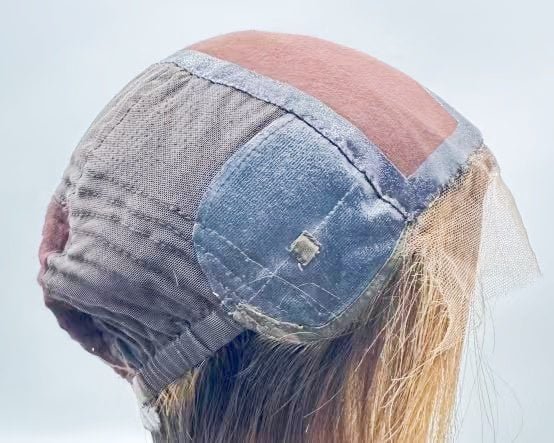
While a lace front is crucial for a natural hairline, the lace material itself can feel abrasive on highly sensitive skin8. For my clients, comfort is not negotiable. That’s why we often add a second layer of a much softer material behind the lace or throughout the cap. This is a common request, and we have several options depending on the client’s specific needs and level of sensitivity. For some, a layer of silk provides a smooth, breathable surface that also allows for a very realistic-looking part. For others, a fine diamond net offers a soft yet durable buffer. For the most sensitive scalps, especially those raw from chemotherapy, we can use a material that feels like Modal cotton. This fabric is exceptionally soft and gentle9, providing a cushion of comfort that makes wearing a wig a much more pleasant experience. It's these extra steps that transform a wig from a simple hairpiece into a truly therapeutic accessory.
What Justifies the Higher Cost and Longer Wait for a Premium Medical Wig?
You need a wig now, but you see a high price and a long delivery time. It's natural to feel frustrated and question if the extra time and money are truly worth it.
The higher cost and longer wait are justified by the intensive, manual labor required. Every step, from the multi-day silicone application to the weeks-long process of tying each hair by hand, is done to achieve an unmatched level of comfort, security, and realism.
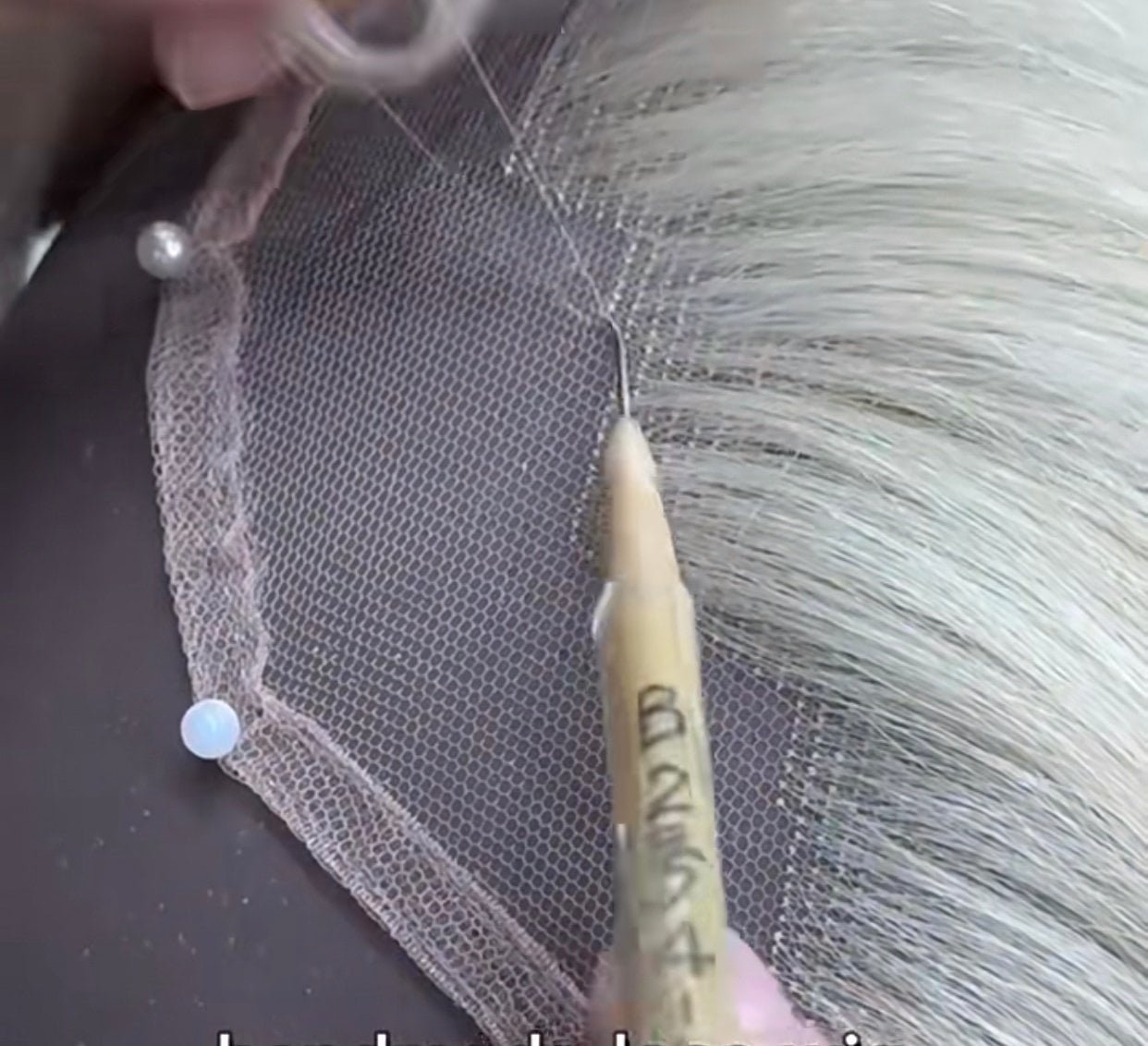
When you combine the most advanced features, you create the ultimate medical wig, but this process cannot be rushed. A fully hand-tied wig is already a labor of love, taking an artisan weeks to knot every single strand of hair into the cap. This method allows the hair to move freely and naturally, just like real hair. Now, add the silicone application process on top of that. As I mentioned, that alone takes 7 to 10 days of careful work before the hair-tying can even begin. When you look at the entire production timeline, you can see why it takes longer. This isn't mass production. It's a bespoke creation designed for one person's specific needs. The cost reflects the hours of skilled labor and the high-quality, specialized materials used. You are not just buying a product; you are investing in a handcrafted solution that will provide you with comfort and confidence for years to come.
Conclusion
A premium medical wig is more than just hair; it is an investment in your daily comfort, security, and peace of mind, helping you feel like yourself again.
"Physician- and Patient-Reported Severity and Quality of Life Impact ...", https://pmc.ncbi.nlm.nih.gov/articles/PMC10689682/. Research in psychology and dermatology has consistently shown that hair loss, particularly in women, can be a distressing experience, often associated with decreased self-esteem, anxiety, and a reduced quality of life, underscoring the challenge of adapting to the condition. Evidence role: general_support; source type: paper. Supports: The source should document the emotional and psychological challenges associated with hair loss.. ↩
"[PDF] Biocompatibility Guidance Update: Certain Devices in Contact ... - FDA", https://www.fda.gov/media/172951/download. A source on material science or dermatology can confirm that medical-grade silicone is generally considered biocompatible and has a low incidence of causing allergic skin reactions, making it suitable for use in medical devices and accessories that have prolonged skin contact. Evidence role: mechanism; source type: paper. Supports: The source should explain the biocompatibility of medical-grade silicone and its low potential for causing allergic reactions when in contact with skin.. ↩
"In vivo friction properties of human skin - PubMed", https://pubmed.ncbi.nlm.nih.gov/10493141/. A source in physics or material science can explain that the high coefficient of friction of silicone against skin, rather than true suction, is the primary mechanism that creates a secure, non-slip grip, preventing movement. Evidence role: mechanism; source type: paper. Supports: The source should describe the physics of how silicone materials adhere to human skin.. Scope note: The source may clarify that the mechanism is based on friction and adhesion rather than literal 'suction,' providing a more precise scientific explanation. ↩
"Role of Hair Prostheses (Wigs) in Patients with Severe Alopecia ...", https://pmc.ncbi.nlm.nih.gov/articles/PMC6029960/. Patient guides from alopecia or cancer support organizations often recommend wigs with built-in silicone or polyurethane tabs, as these materials can adhere securely and comfortably to bare skin without the need for clips, which require existing hair to anchor. Evidence role: case_reference; source type: institution. Supports: The source should discuss wig options for individuals with extensive hair loss.. ↩
"Medical grade silicone - Wikipedia", https://en.wikipedia.org/wiki/Medical_grade_silicone. Sources on materials science or medical device manufacturing define medical-grade silicone as a material that has passed specific biocompatibility testing, such as USP Class VI or ISO 10993 standards, ensuring it is non-toxic and safe for prolonged contact with human tissue. Evidence role: definition; source type: encyclopedia. Supports: The source should define 'medical-grade silicone' and its testing standards.. ↩
"Dermatological Side Effects of Cancer Treatment - PMC - NIH", https://pmc.ncbi.nlm.nih.gov/articles/PMC10572319/. Information from cancer research institutions or national health organizations confirms that chemotherapy can cause a range of skin and scalp issues, including increased sensitivity, tenderness, and discomfort, often associated with treatment-induced alopecia. Evidence role: expert_consensus; source type: government. Supports: The source should confirm that scalp tenderness, sensitivity, and pain are common side effects of certain medical treatments like chemotherapy.. ↩
"Wigs for Hair Loss | American Cancer Society", https://www.cancer.org/cancer/managing-cancer/side-effects/hair-skin-nails/hair-loss/choosing-and-wearing-wig.html. Cancer support organizations and patient-care guides often recommend that individuals undergoing chemotherapy choose wigs with soft cap linings to prevent irritation to the sensitive and tender scalp that can result from treatment. Evidence role: expert_consensus; source type: institution. Supports: The source should recommend soft, comfortable wig caps for patients who have lost their hair due to chemotherapy.. ↩
"Effects of Softened and Unsoftened Fabrics on Sensitive Skin", https://pubmed.ncbi.nlm.nih.gov/8088143/. A source on dermatology or textiles can support the claim that materials with a rough or stiff texture, such as some types of lace used in wig-making, can cause mechanical irritation or discomfort, particularly on skin that is already sensitive. Evidence role: general_support; source type: paper. Supports: The source should discuss how the texture and stiffness of certain fabrics, like the lace used in wigs, can cause mechanical irritation on sensitive skin.. Scope note: The source would likely speak about material properties in general rather than specifically about wig lace, providing contextual support. ↩
"What is Modal Fabric: Properties, How its Made and Where - Sewport", https://sewport.com/fabrics-directory/modal-fabric. Textile industry sources describe Modal, a semi-synthetic cellulose fiber, as being known for its exceptional softness and smooth feel, often compared to silk or high-quality cotton, making it a popular choice for garments worn close to the skin. Evidence role: definition; source type: other. Supports: The source should describe the characteristics of Modal fabric, highlighting its softness.. Scope note: The term 'Modal cotton' is a misnomer, as Modal is a distinct fiber from cotton; the source would likely clarify this distinction while supporting the claim about Modal's softness. ↩