

Where Can You Shop for the Best Medical Wigs for Hair Loss & Alopecia?
Finding the right medical wig for clients can be an emotional and confusing process. The wrong choice leads to discomfort, a poor fit, and an unhappy client.
The best medical wigs are sourced from specialized suppliers who understand the nuances of hair loss. They offer tailored solutions like silicone bases for total hair loss or comfortable hybrid caps for partial loss1. This ensures you can provide a wig that is secure, natural, and comfortable.
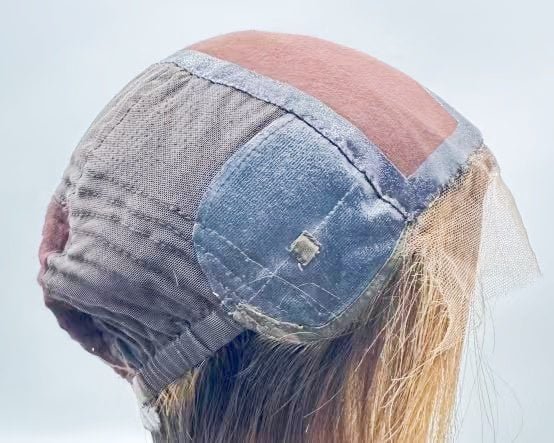
Choosing a medical wig is a deeply personal journey for a client. As a salon owner or wig specialist, you are their trusted guide. It’s more than just matching a hair color; it's about restoring confidence2 and providing daily comfort. But with so many options, how do you make the right choice every single time? It starts with understanding the specific needs of the person in your chair. Let's break down the essential factors to help you select the perfect medical wig for any situation.
How Do You Choose a Wig Based on Your Client's Hair Volume?
Your client has hair loss, but their situation is unique. Giving them a generic wig can cause irritation or make them feel insecure3. The key is to match the cap to their needs.
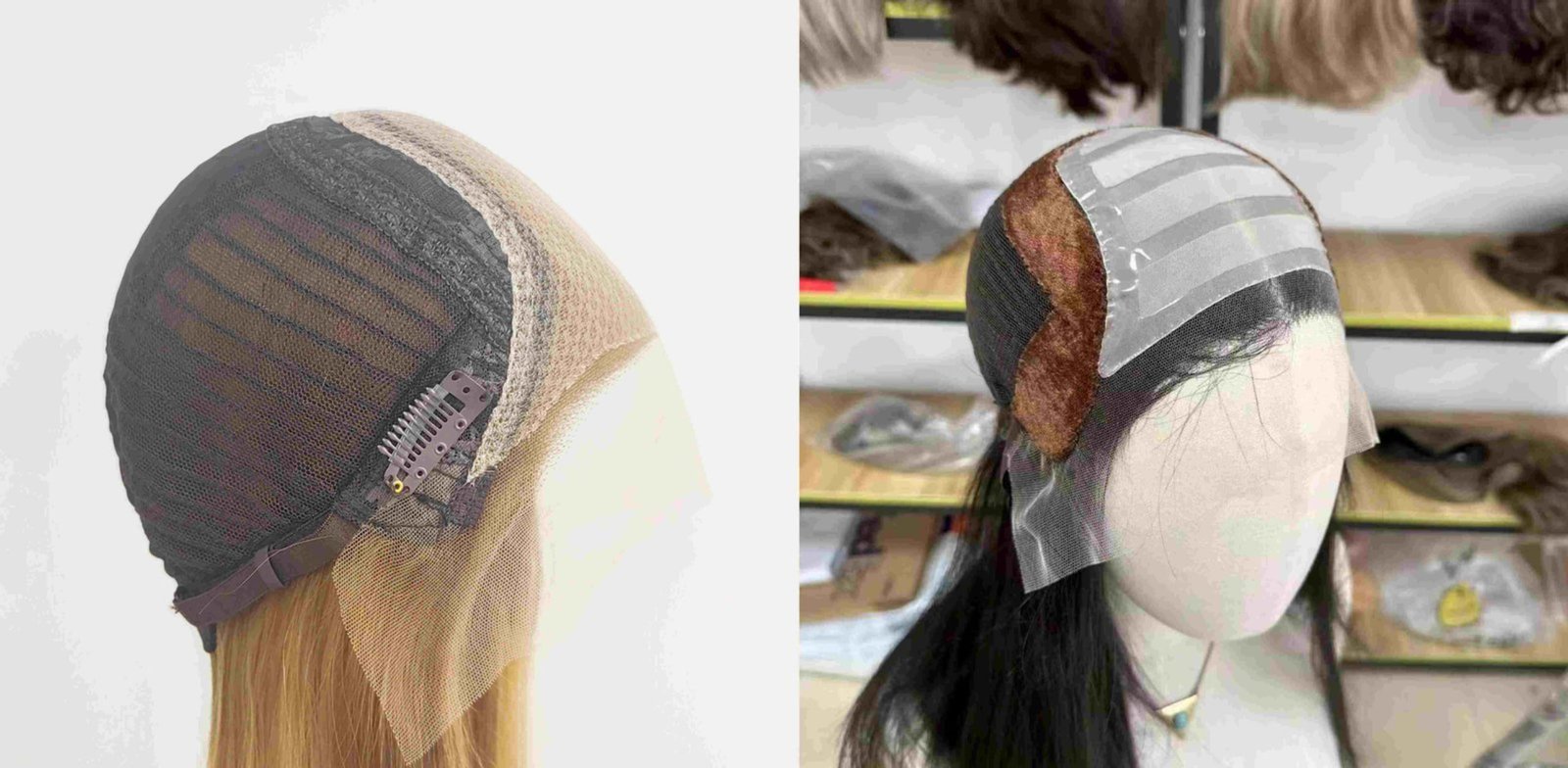
For clients with some existing hair, wigs with clips can provide great security. For clients with little to no hair, a cap with a silicone or polyurethane (PU) base is much better. It grips the scalp gently without needing hair to attach to, ensuring a secure fit.
When I work with my clients, the first question I ask is about their customer's level of hair loss. This is the most critical factor in choosing the right cap construction. A cap that works perfectly for one person can be completely unsuitable for another.
For Clients with Some Remaining Hair
If your client still has a reasonable amount of their own hair, their options are quite broad. The primary goal is to secure the wig without damaging the existing hair. Wigs with small clips or combs sewn into the cap are a great choice. These clips can be fastened to the client's hair to keep the wig firmly in place. You can also find caps with adjustable straps at the nape for a more customized fit. In this case, you don't necessarily need silicone grips, which gives you a wider range of styles to choose from.
For Clients with Little to No Hair
If your client has experienced significant hair loss, such as with alopecia totalis4, or has shaved their head for chemotherapy treatments5, clips are not an option. There is no hair for them to grip onto, and they can be painful against a sensitive scalp. This is where silicone comes in. Silicone tabs or a full perimeter of silicone create a gentle suction effect against the skin6. This provides a secure, non-slip fit that gives the wearer total confidence. It allows them to go about their day without worrying about their wig shifting.
| Feature | Client with Some Hair | Client with Complete Hair Loss |
|---|---|---|
| Best Attachment | Clips and/or Combs | Silicone or PU Strips |
| Why it Works | Securely grips existing hair. | Creates gentle suction on the scalp. |
| Good to Have | Adjustable Straps | Soft, Breathable Cap Materials |
| What to Avoid | Painful pressure points | Clips (no hair to attach to) |
Do Medical Wigs Always Have to Be Expensive?
Many believe that a truly comfortable and natural-looking medical wig must be incredibly expensive. This assumption might stop you from exploring options that could help more of your clients.
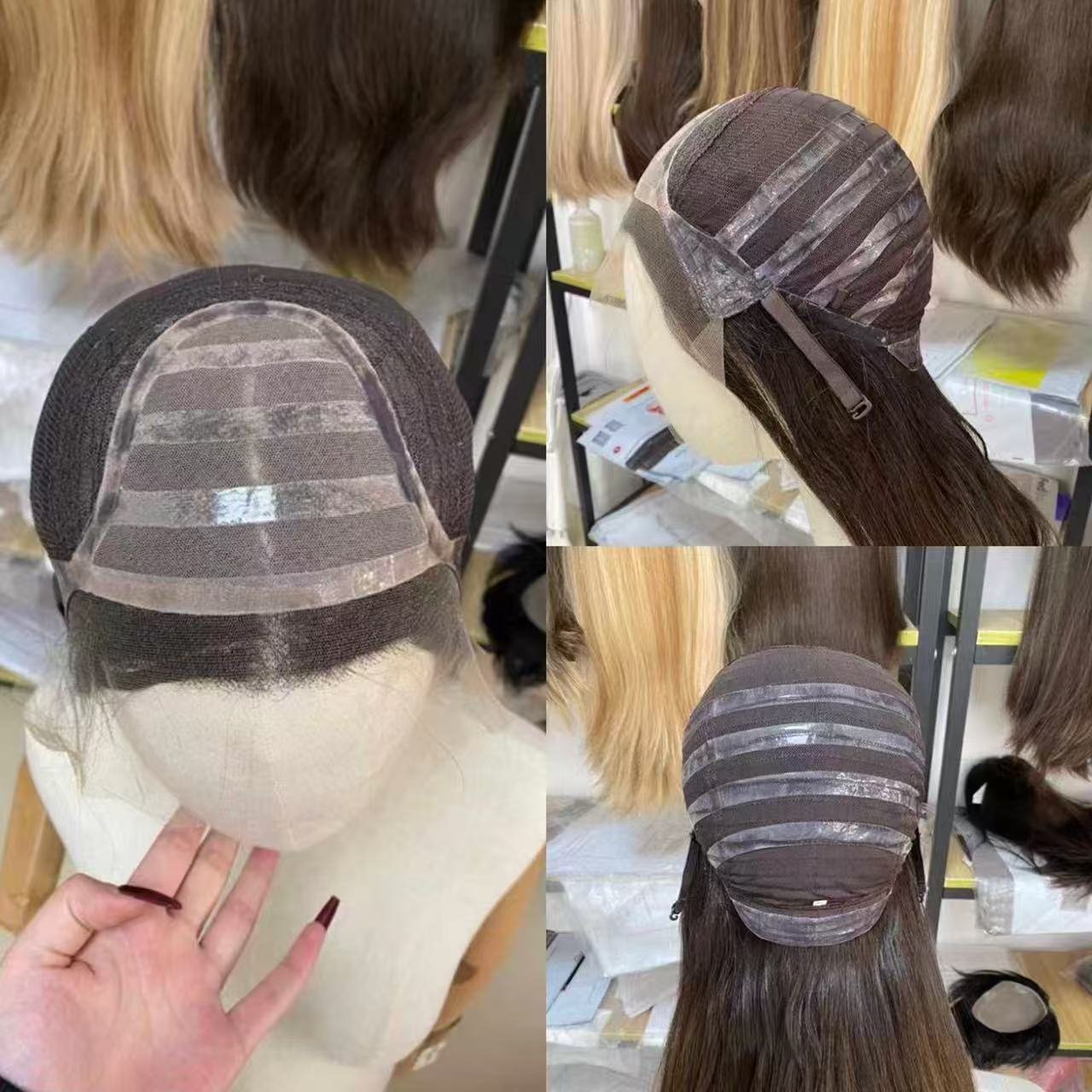
No, they don't. The highest costs come from large hand-tied areas and very long hair. You can offer a fantastic, high-quality medical wig by choosing a hybrid construction. A hand-tied top with machine-wefted back and sides provides a natural look and comfort at a much lower price.
I've had many conversations with salon owners who are worried about the high cost of medical wigs. They want to offer the best, but they also need to be mindful of their clients' budgets. The good news is that "premium quality" does not have to mean "unaffordable." The key is to be smart about the wig's construction.
Understanding the Cost Drivers
Two main factors make a wig expensive. The first is the amount of hand-tying. A wig that is 100% hand-tied involves a skilled artisan tying individual hair strands to the cap, one by one. This can take over 100 hours of labor7. The second factor is hair length. The cost of human hair increases significantly with length. A 22-inch wig can cost much more than a 14-inch wig of the same quality, simply because long, high-quality raw hair is rarer. When you combine a fully hand-tied cap with long hair, the price becomes very high.
The Smart Hybrid Solution
There is a wonderful middle ground that I often recommend. This solution maintains a very high level of quality while bringing the cost down. It involves a hybrid construction:
- Top/Parting: Use a hand-tied monofilament or silk top. This is the most visible part of the wig, and hand-tying here creates a perfect illusion of a natural scalp and allows for free parting.
- Back/Sides: Use machine-sewn wefts of hair. But here is the important part: these wefts are not sewn onto a standard, stiff cap. Instead, they are sewn onto a very soft, breathable, stretchable mesh material. This ensures the wig is still incredibly comfortable and cool to wear, which is essential for a medical wig.
This approach gives you the best of both worlds: the natural look where it matters most and the cost-effectiveness of machine construction for the rest, without sacrificing comfort.
| Wig Construction | Natural Look | Comfort | Cost |
|---|---|---|---|
| Full Hand-Tied | Very High | Very High | Very High |
| Standard Machine-Made | Low | Low | Low |
| Hybrid (Hand-Tied Top) | High | High | Medium |
How Can You Customize a Wig for Maximum Comfort at the Best Price?
You're looking for the perfect wig for your client: comfortable, natural, and within budget. But standard, off-the-shelf options seem to force you to compromise on one of these critical aspects.
The solution is to work closely with your manufacturer on customizations. You can request a smaller hand-tied section, for example, just for the parting. Or add silicone tabs only where needed. This strategic approach delivers the best features at a significantly lower cost.
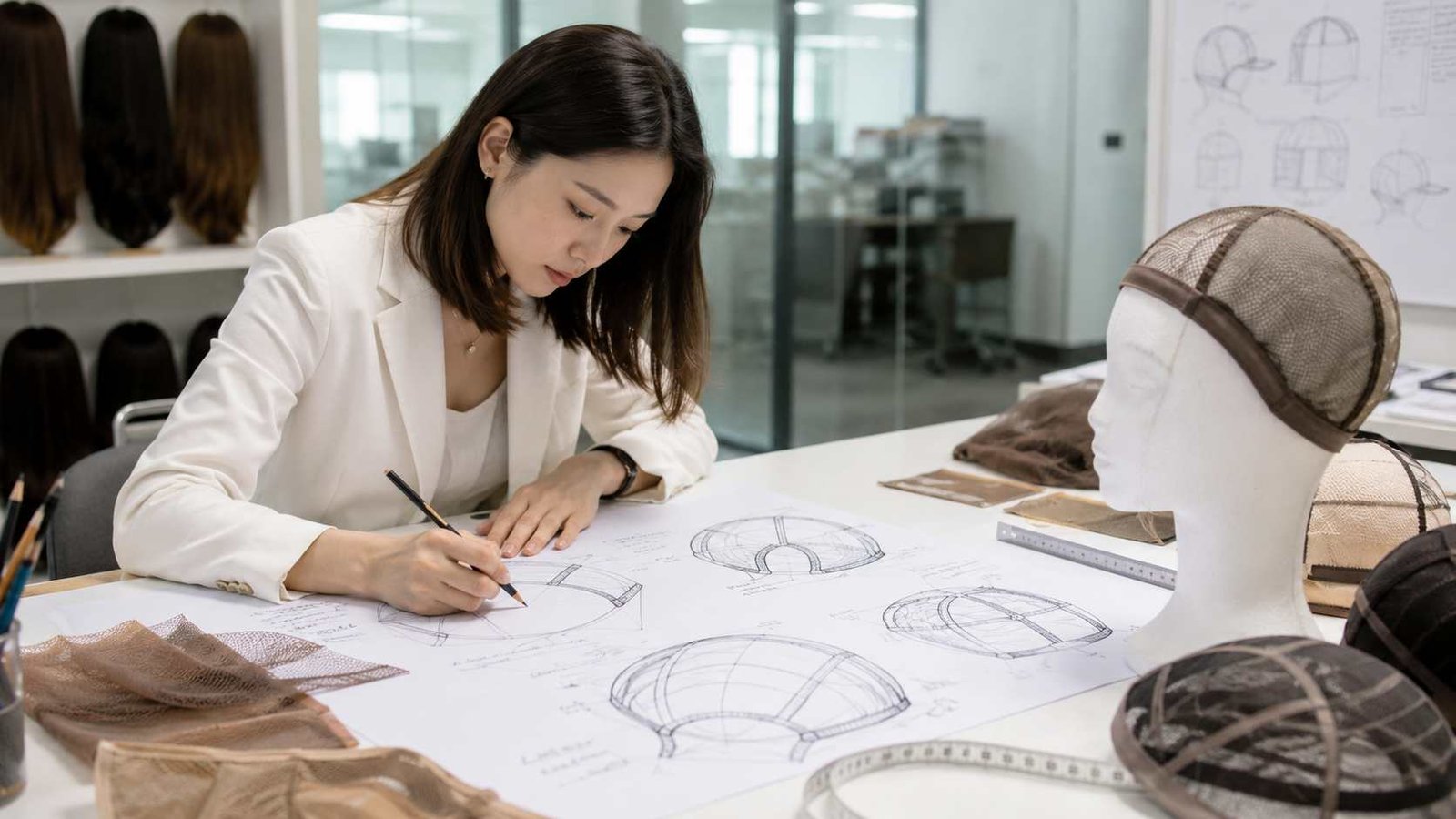
The real secret to sourcing the perfect medical wigs for your business is building a strong relationship with your supplier. A good manufacturer is a partner who can help you design products that meet your clients' exact needs and your budget. You don't have to be limited by a catalog of pre-made options. Instead, you can be the architect of a wig that delivers premium features in a cost-effective way.
Strategic Customization is Key
Think about where the "premium" features matter most. A natural-looking parting is essential, but does your client need a huge 6x6 inch hand-tied area, or would a 4x4 inch area or even a simple 1-inch wide parting line suffice? Reducing the hand-tied section is one of the easiest ways to lower the cost without a noticeable difference in the final look for most styles. Similarly, you can choose different cap materials. A soft, elastic mesh is very comfortable and more affordable than a full lace cap. Discussing these details allows you to create a "custom-lite" version that is perfect for your market.
Partnering with Your Supplier
When you talk to me or any other supplier, come with specific questions. Don't be afraid to ask:
- "Can we design a cap with a hand-tied monofilament parting but use soft, wefted materials for the rest of the cap?"
- "What is the most breathable and comfortable material we can use for the main body of the cap?"
- "Instead of a full silicone perimeter, can we just add small silicone tabs at the temples, ear tabs, and nape for security?"
These kinds of questions show that you understand wig construction and are serious about creating the best possible product for your clients. As your supplier, this helps me guide you to the perfect balance of features, comfort, and price. Together, we can build a wig that feels custom-made for your client.
Conclusion
Choosing the right medical wig involves matching the cap to the client's hair loss and balancing construction for cost and comfort. Your best asset is a knowledgeable supplier partner.
"Role of Hair Prostheses (Wigs) in Patients with Severe Alopecia ...", https://pmc.ncbi.nlm.nih.gov/articles/PMC6029960/. Guidelines for selecting cranial prostheses often recommend caps with silicone or polyurethane grips for individuals with total hair loss, as they adhere securely to a bare scalp. For those with partial or thinning hair, caps with clips, combs, or hybrid designs that combine wefted areas with a non-slip front can provide security without damaging existing hair. Evidence role: expert_consensus; source type: institution. Supports: The recommendation of specific wig cap types for different levels of hair loss.. ↩
"The psychological impact of alopecia - PMC - NIH", https://pmc.ncbi.nlm.nih.gov/articles/PMC1261195/. Research indicates that hair loss can have significant psychosocial effects, and the use of hair prostheses (wigs) is often associated with improvements in self-esteem, body image, and overall quality of life for patients. Evidence role: general_support; source type: paper. Supports: The claim that wigs can help restore confidence in individuals experiencing hair loss.. ↩
"Dermatological Side Effects of Cancer Treatment - PMC - NIH", https://pmc.ncbi.nlm.nih.gov/articles/PMC10572319/. Patients undergoing chemotherapy or those with certain types of alopecia often report increased scalp sensitivity, dysesthesia, or trichodynia, making the use of soft, non-abrasive cap materials essential to avoid irritation and discomfort. Evidence role: mechanism; source type: research. Supports: The claim that patients with medical hair loss may experience scalp irritation from a generic wig.. ↩
"Alopecia totalis | About the Disease | GARD", https://rarediseases.info.nih.gov/?gard_id=0000613. Alopecia totalis is an autoimmune condition characterized by the complete loss of all hair on the scalp. It is an advanced form of alopecia areata. Evidence role: definition; source type: encyclopedia. Supports: The definition of alopecia totalis as a form of significant hair loss.. ↩
"Prevention and Treatment of Chemotherapy-Induced Alopecia - PMC", https://pmc.ncbi.nlm.nih.gov/articles/PMC10137043/. Chemotherapy-induced alopecia can be accompanied by scalp dysesthesia, a condition where the scalp becomes tender, itchy, or painful, making pressure from clips or rough materials particularly uncomfortable. Evidence role: mechanism; source type: institution. Supports: The claim that chemotherapy-induced hair loss is often accompanied by scalp sensitivity.. ↩
"In vivo friction properties of human skin - PubMed", https://pubmed.ncbi.nlm.nih.gov/10493141/. Medical-grade silicone exhibits a high coefficient of friction against the skin, which creates a non-slip gripping effect without the need for adhesives. This property, combined with the material's flexibility, allows it to conform to the scalp and provide a secure fit. Evidence role: mechanism; source type: paper. Supports: The mechanism by which silicone helps a wig adhere to the scalp.. Scope note: The source explains the material properties of silicone, which supports the claim about its gripping ability, rather than confirming a literal 'suction effect'. ↩
"Wigs and Hair Production", https://continuinged.depaul.edu/product?catalog=SCPS_WHP. The process of 'ventilating' a fully hand-tied wig, which involves a skilled artisan tying individual strands of hair to the cap, is highly labor-intensive. Depending on the density and length, the process can take between 40 and 150 hours to complete. Evidence role: statistic; source type: other. Supports: The claim that making a fully hand-tied wig is a time-intensive process that can take over 100 hours.. Scope note: The exact time can vary significantly based on wig specifications, so the source provides a range rather than a single number. ↩