

Are you struggling to verify the quality of a human hair wig you've sourced? You place an order expecting premium craftsmanship, but you worry the final product won't meet your brand's high standards, leading to wasted investment and unhappy clients. This inconsistency is a major headache for any serious wig business. The solution is a systematic, hands-on inspection process.
To test the quality of a human hair wig, you must conduct a two-part inspection focusing on the hair and the cap construction. For the hair, evaluate both its appearance (length, layers, color, density) and its intrinsic quality (cuticle health, processing level, hair source). For the cap, assess the measurements, hand-tied craftsmanship, materials, and finishing details against your approved master sample.
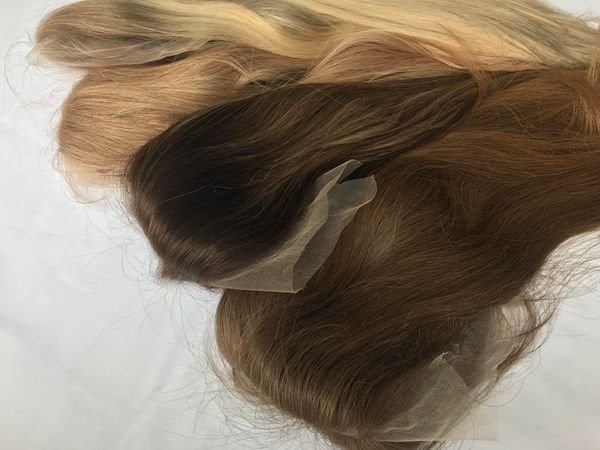
This guide is built on a crucial first step: you must establish a clear quality standard with your supplier from the very beginning. Always approve a "master sample" that you keep for reference. Every future shipment should be judged against this benchmark. Now, let's break down exactly what to look for, based on my years of experience in the high-end hair industry.
What Are the Key Indicators of Hair Quality in a Human Hair Wig?
You see a wig that looks good on the mannequin head, but how do you know if the beauty is more than skin deep? The hair itself can hide secrets. A quick visual check isn't enough to protect your brand or your clients from premature tangling, shedding, or color fading.
To truly understand hair quality, you need to examine its external appearance and its internal, or intrinsic, structure. This two-pronged approach separates the truly premium wigs from the rest. Let's dive into the specifics of what I look for in every batch.
Inspecting Hair Appearance
First impressions matter, and the visual and tactile aspects of the hair are what your clients will notice immediately. This isn't just about it "looking nice"; it's about verifying that the specifications you agreed upon have been met.
- Finished Length & Layering: Length is typically measured by pulling a strand from the crown straight down to the tip. However, layering is more subjective. Descriptions like "subtle layers" can be interpreted differently. This is why the master sample is non-negotiable. I once had a client who wanted a sharp, one-length bob style. Without a physical sample to reference, we could have gone back and forth on the "right" layering for weeks.
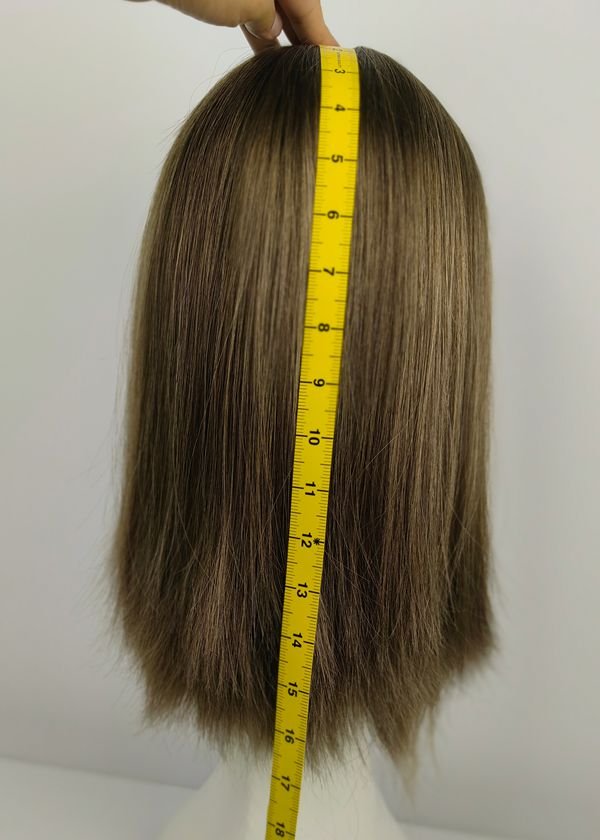
* **Pro Tip:** To confirm layering, compare the new wig directly against your master sample. Does it have the same overall shape? Is the graduation of length from the top to the bottom consistent? For example, a wig with heavy layers might have a 4-6 inch difference between the shortest and longest strands.-
Return Hair (or "Fold-Over"): On lace top or full lace wigs, hair is knotted and folded over. This short hair near the knot is called the "return hair." I always check this, especially at the front hairline and crown. A good length for return hair is about 4 inches, sometimes up to 5 inches. If it's too short, it will stick straight up and look unnatural, a dead giveaway of poor construction. Note that on silk top wigs, this isn't an issue in the silk area as the hair is injected to look like it's growing from the scalp.
-
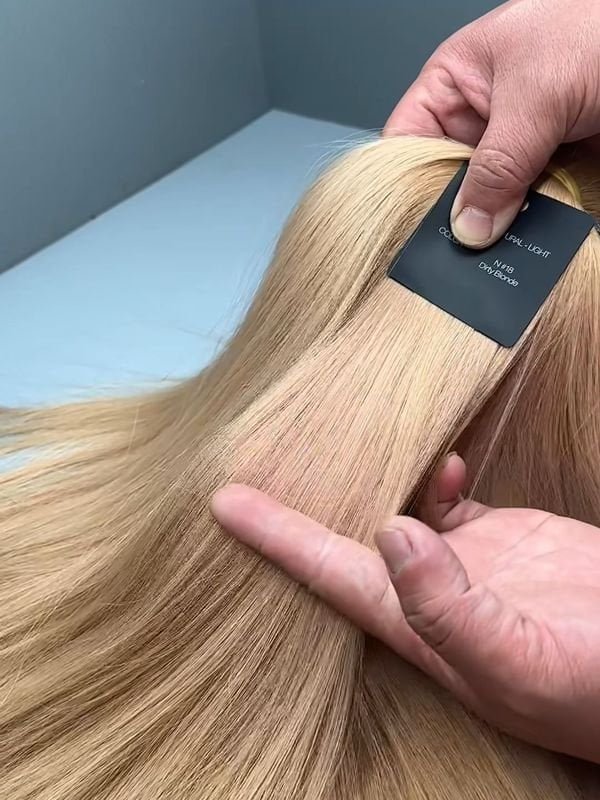
Hair Color: Color verification is straightforward but critical.
- Compare the wig to your color swatch or master sample under good, natural lighting.
- If it has a root, ombre, or highlights, check the transition. Is it a smooth, natural blend, or is there a harsh line?
- If you ordered "natural" or "virgin" color to dye yourself, test it. I always take a small strand from an inconspicuous area and perform a bleach test to see how it lifts. This confirms it hasn't been previously color-treated and will react as expected for your custom coloring services.
-
Density: For the client, density is about fullness. For us and the factory, it's about weight. The most accurate way to check for consistent density across a batch is to weigh the wigs. A few grams of difference might be acceptable, but significant variations mean inconsistent hair volume and an inconsistent final product for your customers. This also directly impacts your cost, so it’s a crucial metric to monitor.
-
Curl Pattern: Like layering, curl pattern is best judged by direct comparison. Hold the production unit next to your master sample or the approved photos. Is the wave or curl the same size and shape?
Assessing Intrinsic Hair Quality
This is where we get into the science of the hair itself. These factors determine the wig's durability and long-term performance. As a supplier focused on high-end markets, we primarily use donor hair—hair cut directly from a ponytail, ensuring cuticles are aligned and the hair is healthy. Here's how to verify you're getting what you paid for.
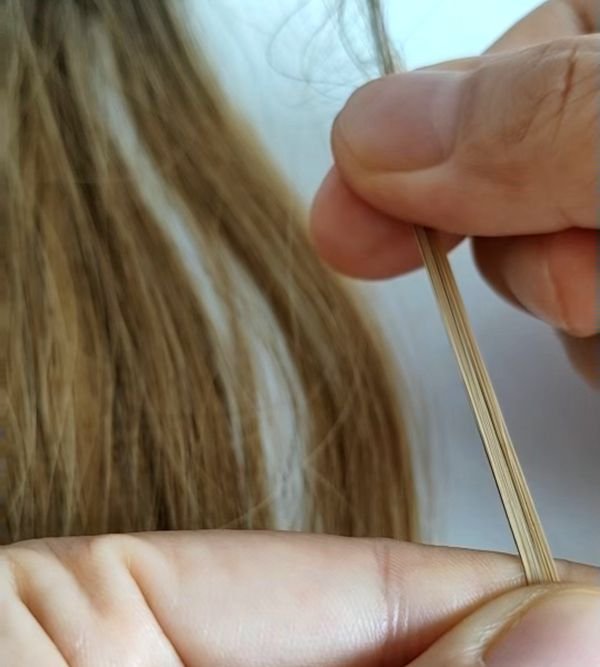
- Cuticle Integrity (The Finger Test): The health of the hair cuticle is paramount for preventing tangles. A microscope is the most precise tool, but here’s my go-to field test:
- Lightly mist a small section of hair with water (or just wet your fingers). Water causes the cuticles to swell slightly, making them easier to feel.
- Pinch 5-10 strands between your thumb and forefinger at the tips.
- Slowly slide your fingers up towards the root. You should feel significant resistance or friction. This is a good sign! It means the cuticles are present and facing downwards, as they should.
- Now, slide your fingers from the root down to the tip. It should feel very smooth.
- The greater the difference in friction between sliding up and sliding down, the more intact the cuticles are, and the more durable the hair will be.
-
Inverted Hairs & Over-Processing:
- The Wash Test: The ultimate test for inverted (upside-down) hairs is to wash the wig. If the cuticles are misaligned, the hair will tangle and mat into a mess when wet. This can also happen if the return hair section was handled improperly.
- The Stretch Test: To check for over-processing (e.g., from harsh bleaching), gently pull on a single strand of hair. Healthy hair has elasticity. If the hair snaps instantly with little pressure, its integrity is compromised.
- The Shine Test: Look closely at a single strand. Do you see shiny, almost reflective patches along the hair shaft? This can sometimes indicate that the cuticles have been stripped away by an acid bath, a common shortcut in lower-quality hair processing.
-
Silicone Level: A light coating of silicone can add shine and smoothness. However, excessive silicone is often used to mask low-quality, damaged hair. It will feel overly slippery and can cause the hair to look "stringy." It also creates a barrier that hinders custom coloring1. If you plan to dye the wigs, ask your supplier for little to no silicone.
How Do You Evaluate the Cap Construction Quality of a Human Hair Wig?
You've confirmed the hair is top-notch. Now, what about the foundation it's built on? A flawed cap can make even the best hair unwearable. For the high-end and medical markets I serve, the cap construction is just as important as the hair itself.
Evaluating the cap means checking its fit, the craftsmanship of the hand-tied sections, the quality of the materials, and the precision of the finishing touches. A small error here can lead to discomfort, a poor fit, or an unnatural appearance for the end-user.
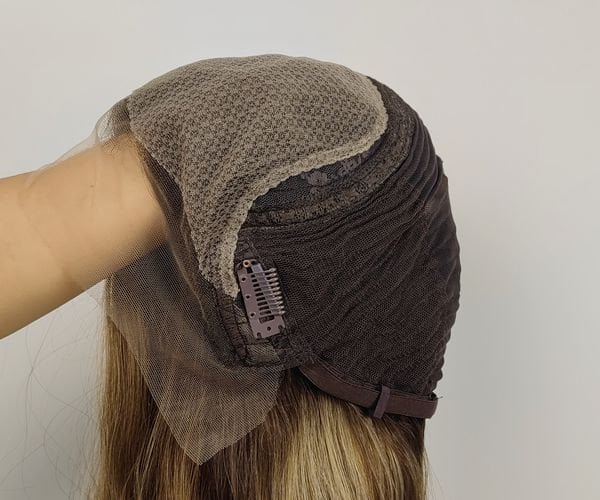
Cap Sizing and Fit
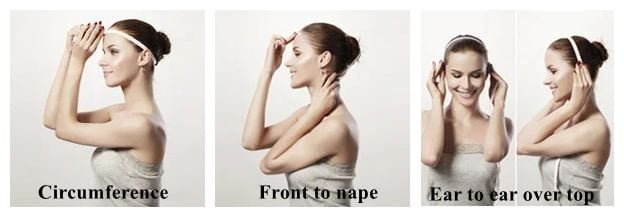
While a full custom wig might have over a dozen measurements, for standard production, we focus on the three most critical ones to ensure a consistent fit:
- Circumference: The measurement around the hairline.
- Front to Nape: The measurement from the center front hairline, over the crown, to the nape of the neck.
- Ear to Ear Over Top: The measurement from the top of one ear, over the crown, to the top of the other ear.
These three data points are usually sufficient for a factory to create a well-structured and properly sized standard cap. Always measure a few units from your batch to ensure they are consistent with your order specifications.
The Hand-Tied Section: Where Craftsmanship Shines
The hand-tied areas are what create the illusion of natural hair growth. This is where meticulous work is essential.
| Feature | Lace Top Wigs | Silk Top Wigs |
|---|---|---|
| Main Goal | A "melted" or invisible hairline and parting. | A perfect "scalp" look in the parting area. |
| What to Check | Lace Type: Does it match the transparent or HD lace sample? Knotting: Are the knots small, secure, especially at the hairline? Bleached Knots: If requested, are the knots properly bleached to be invisible, without damaging the hair root? Hand-Tied Area: Does the area of lace match the spec? | Knotless Appearance: Hair is injected, so there are no knots. It should look like hair growing from a scalp. Hair Security: Gently tug on the hair in the silk section. Is it secure? Softness: The silk base should be soft and flexible, not stiff. |
| Lining Check | Check the lining material under the hand-tied section. Is it the agreed-upon diamond mesh, silk lining, or another material? Is it stitched neatly? | N/A in the silk area itself, but check surrounding construction. |
Finer Details That Make the Difference
These finishing touches separate a truly premium, high-quality human hair wig from an average one.
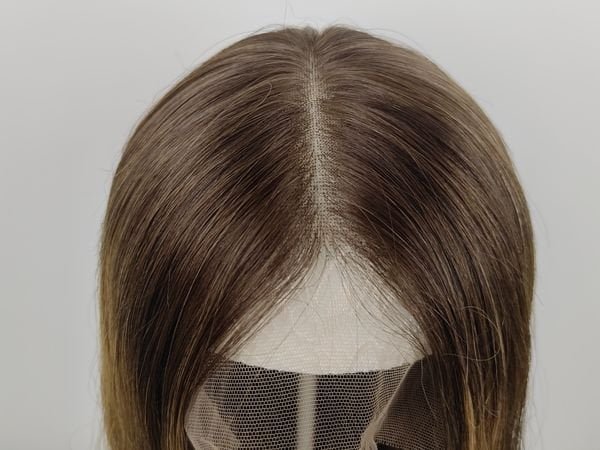
- Hairline Realism: Look at the front hairline. It should have a natural, imperfect curve. The density should be lighter at the very front and gradually increase. A hard, dense line of hair at the front is a major red flag.
- Silicone Application (for Medical Wigs): If the wig includes silicone strips for extra grip (common for medical use), check them carefully.
- Position: Are they in the specified locations (e.g., nape, ear tabs)?
- Application: Is the application neat and clean? Is the thickness consistent?
- Overall Craftsmanship:
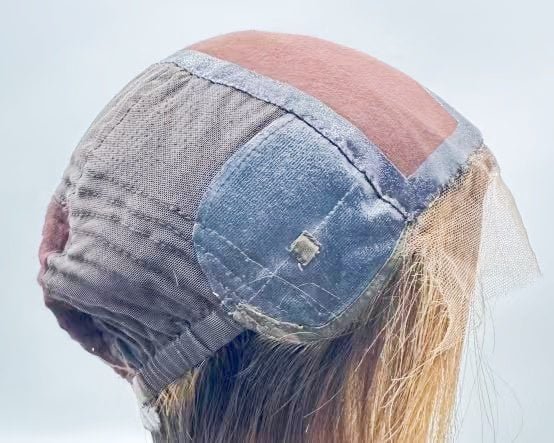
- Seams: Examine where different materials are joined. Are the stitches neat, flat, and secure?
- Materials: Are the colors of all cap components (lace, thread, clips) consistent with the sample?
- Hardware: If there are combs or clips, are they stitched in securely? Are they in the correct positions?
Frequently Asked Questions
What is the single most important first step before ordering wigs?
The most critical step is to agree on a "master sample" with your supplier. This physical sample becomes your gold standard. All your quality checks on future production runs will be made by comparing them against this one perfect piece.
How can I easily test for inverted hairs that cause tangling?
The best and most definitive test is a simple wash test. Co-wash the wig gently in a basin of lukewarm water. If the hair contains a significant amount of inverted strands (where the cuticles are facing the wrong way), it will start to tangle and feel matted almost immediately.
Why is requesting minimal silicone on the hair important?
Requesting minimal or no silicone is crucial if you plan to do any custom coloring. Excessive silicone creates a barrier that prevents dye or bleach from penetrating the hair shaft evenly, leading to patchy and unpredictable results. It also allows you to feel the true, unprocessed texture of the hair.
Is a heavier wig always a higher quality human hair wig?
Not necessarily. While weighing the wig is the best way to measure density for quality control, the ideal weight depends on the desired style. A sleek bob shouldn't be as heavy as a long, voluminous style. Consistency in weight across a batch is more important than sheer heaviness.
Conclusion
Testing the quality of a human hair wig is not a mystery; it's a methodical process. By dividing your inspection into two key areas—hair and cap construction—and systematically checking against your master sample, you can ensure every piece meets your brand's exacting standards. Pay close attention to hair appearance and intrinsic quality, from layering and color to cuticle health. Equally, scrutinize the cap's dimensions, hand-tied craftsmanship, and finishing details. This diligence protects your investment, builds your brand's reputation for excellence, and guarantees your clients receive the luxurious product they deserve.
If you are a brand, salon, or clinic looking for a supplier who understands these quality nuances and delivers consistently, let's talk. Contact us to discuss your next high-end wig collection.
"Silicones used in permanent and semi-permanent hair dyes to reduce the ...", https://pubmed.ncbi.nlm.nih.gov/15645088/. Cosmetology resources explain that many silicones, particularly water-insoluble ones like dimethicone, form a coating on the hair shaft. This film can act as a barrier, preventing hair dye and bleach from penetrating the cortex evenly, which can lead to patchy or less effective coloring results. Evidence role: mechanism; source type: education. Supports: The claim that silicone forms a water-resistant film on the hair shaft that can block or impede the penetration of hair color molecules.. ↩