

Choosing a new wig supplier feels like a high-stakes gamble. A bad partner can damage your brand's reputation with inconsistent quality, leaving you with unhappy customers and costly problems.
The key is to conduct a structured audit to find a long-term partner whose capabilities align with your brand's specific needs. It's not about finding a single "best" supplier, but the right partner for you, by auditing their raw materials, technical skills, and business processes.
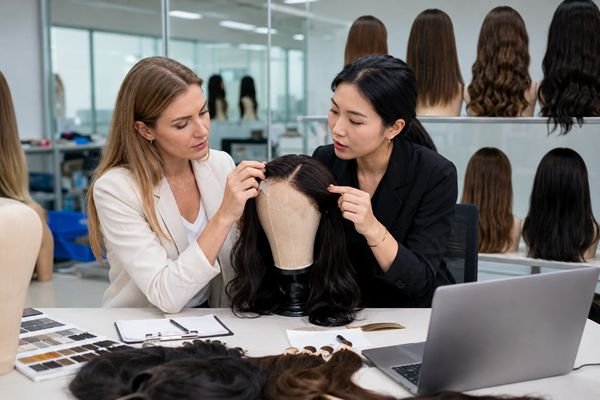
Over the years, I've spoken with countless brand owners, salon managers, and clinic buyers. I've seen firsthand what separates a successful supply chain from a problematic one. It often comes down to the questions you ask at the very beginning. Many buyers focus only on the sample and the price, but the best ones dig deeper. They audit a potential partner's entire operation. I want to walk you through a framework that will help you do just that, so you can build a partnership that protects your brand and helps it grow.
Are You Asking the Right Questions About Their Raw Hair?
You receive a beautiful sample, and it seems perfect. But how can you be sure your bulk order will have the same quality? This uncertainty can be stressful for any business.
Focus on the supplier's sourcing system, not just the hair's label. Ask how they verify their raw material sources and ensure consistency from one batch to the next. This gives you a true measure of their commitment to quality over time.
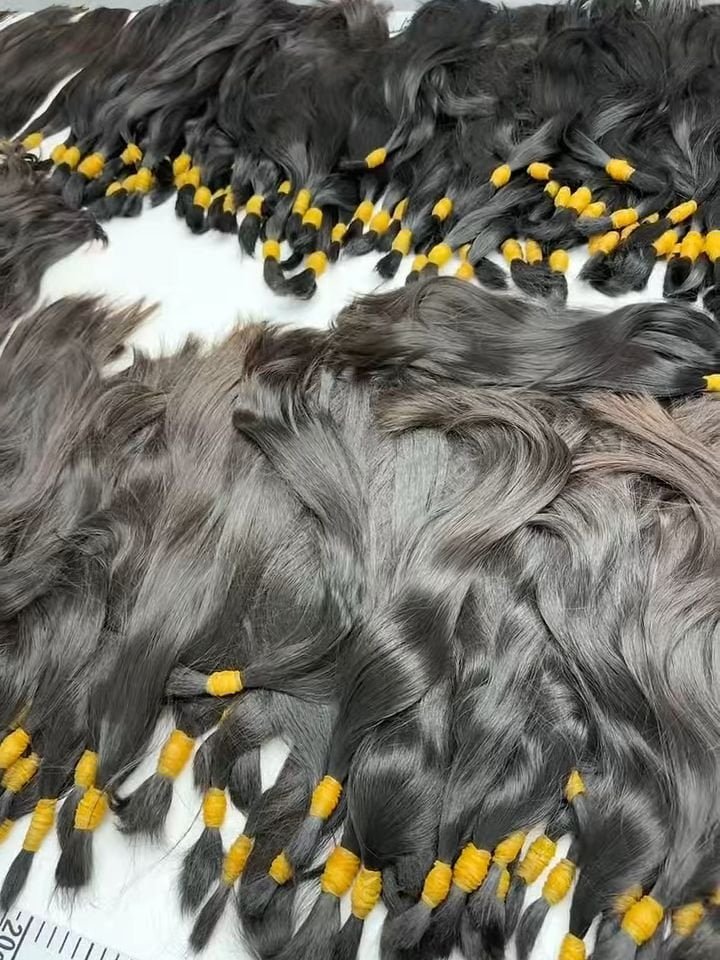
In my experience, terms like "Remy" or "virgin hair" don't have a universal standard in our industry. One factory's definition can be very different from another's. A novice buyer might ask, "Is this 100% Remy hair?" and take a 'yes' at face value. A seasoned professional knows that's not enough. They ask questions that reveal the supplier's process. For instance, a buyer for a luxury salon chain needs predictable results for their stylists and clients. They can't risk getting wigs that color differently from one order to the next. That's why they probe the system behind the product. A reliable partner should be able to explain their sourcing and sorting process clearly. This transparency is a much better indicator of future consistency than any single, perfect sample.
Here’s how you can reframe your questions to get better answers:
| Common Question | A Better Question to Ask | Why It Matters for Your Business |
|---|---|---|
| Is this top-grade hair? | Can you describe your process for sorting and grading raw hair? | This uncovers their internal quality standards and whether they are systematic or subjective. |
| Can you send me a sample? | What is your protocol for ensuring consistency between the sample and the bulk production run? | This tests their production discipline and commitment to delivering what they promised. |
| Where does your hair come from? | How do you verify your raw material sources to ensure they are ethical and consistent? | This shows their control over their supply chain, which directly impacts quality and your brand's reputation. |
Does Their Cap Construction Expertise Go Beyond Their Catalog?
You see a supplier's catalog full of standard cap designs. But your brand needs something unique, or a higher level of comfort and realism for medical clients. A limited supplier can't help you innovate.
Evaluate their technical depth beyond their product list. Assess their lace types, knotting techniques, and cap construction methods. This reveals their true manufacturing capability and potential to grow with your brand's needs.

A wig's comfort, durability, and natural appearance depend almost entirely on the cap construction. This is where true craftsmanship shows. I often advise buyers to look past the finished photos and ask about the technical details. For example, a procurement manager for a medical hair loss clinic needs wigs that are breathable, secure, and gentle on sensitive scalps. They can't settle for a thick, uncomfortable, one-size-fits-all cap. They would need to discuss specific materials like silk tops, thin skin perimeters, or French lace. A supplier that can't have an in-depth conversation about these options is likely just an assembler, not a technical partner. A great supplier will not only understand these techniques but will also be able to advise you on the pros and cons of each for your specific market. They should act as a consultant, helping you choose the best construction for your clients' experience and your brand's price point.
Ask them to explain their process and options:
- Knotting: Do they offer single knots, double knots, or bleached knots? Can they explain the trade-offs between durability and realism for each?
- Lace: What types of lace do they offer (e.g., Swiss, French, HD)? Can they explain which is best for different uses, like film versus everyday wear?
- Base Materials: What other base materials do they work with, such as monofilament, silk, or thin skin polyurethane?
- Ventilation: Can they show examples of their ventilation direction and density? A natural hairline depends entirely on this skill.
Are They a True Partner for Custom Development?
You have a vision for a new, exclusive wig design. The risk is that you partner with a supplier who just takes your order but lacks the technical skill to bring your vision to life properly.
Assess their process for custom development. Ask them to walk you through the entire journey, from concept and mold to a final prototype. This reveals their R&D strength and ability to be a true partner, not just an order-taker.

True partnership shines in custom development. It's one thing to produce a standard model from a catalog; it's another thing entirely to collaborate on creating something new. A brand owner looking to launch a signature collection needs more than just a factory. They need a development team. When I consult with buyers, I suggest they test this capability with a specific request. Ask the potential supplier, "If I provide you with a 3D head scan or a physical mold and specific requirements for density, color, and cap features, what are the exact steps you would take to create a prototype?" Their answer will tell you everything. A great partner will outline a clear, multi-step process that includes technical drawings, material confirmation, a pilot sample, and a feedback loop for revisions. They will ask you smart questions back. A supplier who just says, "No problem, we can do it," without explaining how, is a major red flag. They may not have the structured process needed to get it right.
To evaluate their custom development capabilities, consider this framework:
| Aspect to Evaluate | What to Look For in Their Process | Why It's a Good Sign |
|---|---|---|
| Initial Consultation | They ask detailed questions to understand your goals, target user, and desired features. | They are thinking like a partner, not just a manufacturer. |
| Technical Specification | They create a detailed spec sheet or technical drawing for your approval before starting. | This minimizes misunderstandings and ensures everyone is aligned. |
| Prototyping & Feedback | They have a clear process for creating a first sample and incorporating your feedback for revisions. | This shows they are committed to getting the product right, even if it takes a few tries. |
How Do You Audit Their Quality Control System, Not Just Their Claims?
Every supplier will tell you they have "good quality control." But what does that actually mean? Without a system, quality is just a promise, and promises can be broken, leaving you with defective products.
Ask about their quality control system. Inquire about their specific checks, tolerance parameters, and documentation. A strong partner can articulate their entire QC process, proving they have a repeatable system for maintaining quality.
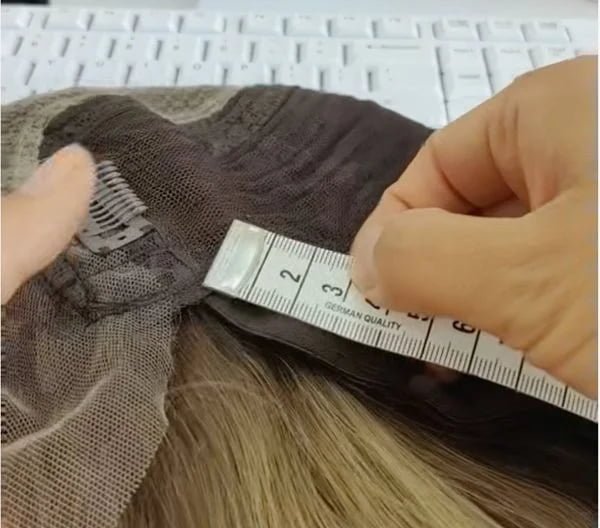
This is an area where I see many buyers miss an opportunity. A simple question like, "Do you have a QC team?" isn't very useful because everyone will say yes. The real difference lies in the details of their system. A veteran purchasing manager wouldn't stop there. They would ask, "What are your tolerance parameters for color variation from the swatch, and how is that documented?" or "At how many stages of production is a unit inspected, and what are the key checkpoints?" These questions push past the sales pitch and into actual operations. A reliable supplier should be able to show you their QC checklist. They should be able to explain how they handle units that fail inspection. This level of detail shows a mature, professional operation that is serious about protecting your brand's quality standards. Remember, the goal of QC is not just to catch mistakes, but to prevent them from happening in the first place.
Here are some expert-level questions to ask about their QC system:
- What are the specific checkpoints in your production line, from raw hair washing to final styling?
- How do you train your QC inspectors, and what tools do they use?
- Can you provide an example of your QC documentation for a production batch?
- What is your process for analyzing and learning from quality failures to improve future production?
What Happens When a Delivery Goes Wrong?
Your order is confirmed, and you have a launch date. But what if the shipment is delayed by customs or a production issue? A supplier without a plan can leave you with empty shelves and angry customers.
Test their reliability by asking scenario-based questions about delivery problems. Ask, "What is your protocol if a shipment is delayed?" A strong partner has clear, pre-defined processes for problem resolution.

Delivery and logistics are critical parts of your supply chain that are often overlooked until there's a problem. A supplier's promise on production time means nothing if they can't manage the shipping process effectively. In our global business, delays can and do happen. What separates a good supplier from a great one is how they prepare for and react to these challenges. Instead of just asking for a lead time, I encourage buyers to dig into their processes. Ask them directly: "What were the main causes of your last two shipment delays, and what steps did you take to communicate with the client and resolve the issue?" A transparent supplier won't be afraid to answer this. They will see it as an opportunity to demonstrate their problem-solving skills and commitment to communication. A hesitant or vague answer suggests they are reactive, not proactive, which poses a significant risk to your business operations.
Key areas to investigate regarding their delivery process:
| Scenario | What a Good Response Looks Like | What a Red Flag Looks Like |
|---|---|---|
| Production Delay | "We will notify you immediately, explain the reason, and provide a revised timeline. We will also discuss options like partial shipments." | "It doesn't happen often." (Avoids the question) |
| Customs Issue | "We work with experienced freight forwarders and provide all necessary documentation upfront to minimize risks. If a delay occurs, we track it daily." | "That is the customer's responsibility." |
| Shipping Damage | "Our packaging is designed to prevent this, but if it happens, our insurance covers it and we would start a replacement order immediately." | "You will need to file a claim with the shipping company." |
Is Their Communication a Sign of Partnership or a Problem?
You send an urgent email and get no reply for three days. Miscommunications about specs lead to the wrong product being made. Poor communication from a supplier can cause major friction and costly errors.
Pay close attention to their communication style and responsiveness from the very first interaction. A reliable partner communicates clearly, professionally, and proactively, making you feel informed and confident at every step.

Communication is the foundation of a good business relationship. It's not just about being polite; it's about clarity, timeliness, and a shared understanding of goals. From my first contact with a potential client, I make it a point to be as clear and responsive as possible, because I know that's what they need from a long-term partner. You should expect the same from any supplier you consider. Are they quick to respond to your initial inquiry? Do they answer your questions directly, or are their answers vague? Do they have a dedicated account manager who speaks your language fluently? Think about a scenario where you need to make a last-minute change to an order. A supplier with poor communication could miss the message entirely, resulting in a wasted production run. A great partner will have a system to confirm all changes in writing and ensure the information is passed to the production team correctly.
Things to observe about their communication:
- Responsiveness: How long does it take them to reply to emails or messages during their business hours?
- Clarity: Do they use clear, simple language and confirm they understand your requests?
- Proactiveness: Do they provide updates without you having to ask? Do they anticipate potential issues and discuss them with you ahead of time?
- Accessibility: Is there a single, reliable point of contact for your account?
How Will They Support You When Problems Inevitably Arise?
A customer reports a quality issue a month after their purchase. You need your supplier's support, but they are suddenly unresponsive. Weak after-sales support can leave you to face customer complaints alone.
Evaluate their after-sales process before you place an order. Ask, "What is your procedure for handling a client's report of a quality issue after the sale?" A committed partner has a plan to help you resolve issues.

No supplier is perfect, and in a handcrafted industry like ours, occasional issues can occur. A supplier's true character is revealed by how they handle problems after they have your money. A partnership is easy when things are going well. The real test is when they go wrong. Before committing to a large order, you need to understand their after-sales support policy in detail. A novice buyer might forget to ask about this, assuming everything will be fine. An experienced buyer knows to plan for the worst. They will ask specific questions like, "What is the warranty period on your wigs?" and "If one of my clients reports premature shedding, what steps would you take to investigate and remedy the situation?" A great partner will have a clear, fair process for returns, repairs, or credits. They will see a customer complaint as an opportunity to improve their product and strengthen your partnership, not as an annoyance to be ignored.
Key questions to determine the quality of their after-sales support:
- What is your official policy for handling returns or quality complaints?
- Do you require the physical product to be returned for inspection? Who covers the shipping?
- What kind of documentation or proof do you require from my client?
- How do you differentiate between a manufacturing defect and user error or improper care?
- Can you provide an example of how you resolved a past customer complaint?
Conclusion
Finding the right supplier is a strategic business decision, not a shopping trip. It's about auditing for a true partner who can help you deliver on your brand's promise consistently.